
Documentary films
CineVerse guide
How to choose a documentary
“Documentary” tells you that a film works with the world, not that it simply records the truth. Interviews are selected, archives are edited, narration directs attention and access determines whose account can be heard. A useful choice begins with the film’s method: what evidence does it show, what relationship does the filmmaker have to the subject, and what remains outside the frame?
This guide offers a practical way to read the catalogue without replacing a film with its synopsis. It distinguishes investigation, observation, essay and archive-led work; explains why access and authorship matter; and suggests checks for sensitive subjects. The objective is not suspicion for its own sake. It is to choose the kind of non-fiction encounter you want and to recognise the decisions behind it.
Who this is for
This guide is for viewers who want more than a subject label when choosing non-fiction. It suits classrooms, discussion groups and individuals comparing how documentaries build knowledge. It is not a fact-check of any one production and cannot replace specialist advice about a sensitive subject or release-specific classification information.
Identify the film’s central method
An investigative documentary assembles evidence around a question and usually makes the path of inquiry visible. An observational work stays with people or places and asks the viewer to draw connections. An essay film may use a personal voice, juxtaposition and argument. Archive-led work builds meaning from records made for another purpose. These forms can overlap, but naming the dominant method clarifies what the film can reasonably establish.
Method also determines the viewing task. Investigation rewards attention to sources and chronology; observation asks patience with unresolved behaviour; an essay invites engagement with a stated perspective; archive work requires awareness that surviving records are uneven. Choose according to the kind of attention you can offer, not simply according to the subject printed on the card.
Ask who has access and who speaks
Access is never neutral. A film made inside an institution may show detail an outsider cannot reach, while also depending on permission from the institution it examines. A personal documentary may offer intimacy but narrow the range of perspectives. A production built around expert interviews can provide context yet leave lived experience distant. None of these arrangements is automatically a flaw; each creates a particular field of knowledge.
Look for signs that participants understand the project and appear as people rather than evidence. Whose voice introduces the problem? Who is allowed complexity? Who is discussed but never heard? These questions are especially important when the subject involves trauma, crime, health or unequal power. Ethical form is visible in how a film handles uncertainty and consequence, not merely in a statement of good intentions.
Distinguish records from interpretation
A document can be authentic and still be used misleadingly. Photographs, news footage, letters and official files were created in specific circumstances, often with purposes unrelated to the later film. Strong archive work gives enough context to understand what a record is and why it matters. Weak use treats any old image as illustration, which can make atmosphere look like evidence.
Narration presents the same challenge. A confident voice can join fragments into a clear account, but clarity should not be mistaken for completeness. Notice whether the film marks inference, disagreement and missing material. A documentary that admits the boundary of its evidence may be more trustworthy than one that turns every gap into certainty.
Choose by emotional demand as well as topic
Non-fiction can be harder to process than fiction because the consequences continue beyond the frame. Classification advice can identify violence, distressing detail and language, yet subject matter may carry an additional burden that an age symbol cannot summarise. Before choosing for a shared room, consider whether participants’ experiences involve bereavement, abuse, war or illness and whether the group wants that conversation tonight.
A quieter subject can also demand patience. Process documentaries, portraits of work and local histories often gain meaning through accumulation rather than revelation. If you want an immediate argument, choose a film whose method is openly investigative or essayistic. If you want time with a place or practice, observation or archive may be the better route.
Use official context without surrendering judgement
BFI Player and BFI Replay are useful official routes for specialist and archival work, while the BBFC provides the UK classification framework. Their pages can help establish access terms and content context, but no service label can answer the editorial questions above. A platform organises what it holds; the viewer still has to decide how a film makes its case.
Read a filmmaker’s note or institutional description when it is offered, but treat promotional certainty cautiously. Useful context describes sources, access and production circumstances. It does not need to promise that a film resolves its subject. The best preparation gives you a question to carry into the work rather than a verdict to repeat afterwards.
Keep a transparent viewing record
After viewing, note the film’s question, its main forms of evidence and one limitation it acknowledges or leaves visible. This is not a score. It is a compact account of what the work actually did, and it makes later comparisons fairer. Two films about the same event may deserve different judgments because one investigates responsibility while another records memory.
A personal record also resists the catalogue’s tendency to flatten non-fiction into topics. “Politics”, “nature” or “history” says little about method. Remembering the form helps you seek productive contrast: after a narrated investigation, an observational work may reveal what argument leaves out; after a personal essay, an archive study may widen the scale.
A pre-viewing evidence checklist
Write down the film’s stated question, the kinds of record it appears to use and the relationship between filmmaker and subject. These notes should come from official contextual material, not from a plot-heavy review. If one element is impossible to identify, mark it as an open question rather than filling the gap with an assumption. The checklist turns preparation into curiosity and reduces the chance that polished narration will be mistaken for complete evidence.
During the film, notice when a claim rests on an interview, an archive object, direct observation or the narrator’s interpretation. There is no need to tally every instance. One example of each is enough to reveal how the argument is built. Afterward, ask whether another arrangement of the same material could support a different conclusion and whether the film acknowledges that possibility.
For discussion groups, separate factual challenge from ethical response. “I need the source for this date” is different from “the participant was placed in an uncomfortable position”. Both matter, but they require different evidence. Keeping them distinct prevents a conversation about method from collapsing into a vote on whether the subject was important.
Editor’s note
A documentary is an authored arrangement of evidence. Choose by method, access and ethical treatment, not by the assumption that non-fiction is automatically objective.
Where to watch in the UK
Official routes relevant to this guide are linked below. Catalogues, interfaces and terms change, so check each service directly before choosing a title or paying.
BFI Player
Official specialist-film route; inspect the current listing and access terms directly.
BFI Replay
Official free archive route; use its own search and title notes for the current position.
BBFC
Official UK classification and content-advice context for choosing an appropriate release.
How we chose
We inspected the official BFI Player, BFI Replay and BBFC pages on 16 October 2026 to ground the access and classification routes. We did not use a provider synopsis, review extract or database overview.
The taxonomy of documentary method and the questions about evidence, access and ethics are original CineVerse Editorial synthesis. It is designed to help readers interrogate any changing catalogue rather than to promote a fixed set of titles.
Sources
This page stands on four named sources. Nothing here is copied from another film site: the text is ours, the facts are attributed, and the links go to the official pages.
BFI Player — official service page, inspected without reproducing its copy: https://www.bfi.org.uk/bfi-player
Licence: Site content © British Film Institute; no text, image or catalogue description is reproduced.
BFI Replay — official archive page, inspected without reproducing its copy: https://www.bfi.org.uk/bfi-replay
Licence: Site content © British Film Institute; no text, image or catalogue description is reproduced.
BBFC — What We Do, used for the role of UK classification and content advice: https://www.bbfc.co.uk/what-we-do
Licence: Site content © British Board of Film Classification; no copy is reproduced.
BBFC — Classification Guidelines, used as the official route to current UK standards: https://www.bbfc.co.uk/what-we-do/classification-guidelines
Licence: Site content © British Board of Film Classification; no copy is reproduced.
All editorial text on this page is written by CineVerse Editorial. Film facts (titles, years, directors, country of origin) come from Wikidata and are reproduced without alteration; quotations from the sources below are short and each source is named and linked. Where a film is said to be available somewhere, that is the position we found at the time of checking and it can change. Sources read on 2026-10-16, en-GB.
Continue on CineVerse
Read a related CineVerse editorial page.
Continue on CineVerse
Read a related CineVerse editorial page.
About this page
Written by CineVerse Editorial. Published and source-checked 16 October 2026. This is original selection guidance, not a catalogue synopsis or a claim that a named title is currently offered.
-

Woodstock: Three Days That Defined a Generation
MusicDocumentary
-

Hitler's Evil Science
DocumentaryHistory+1
-
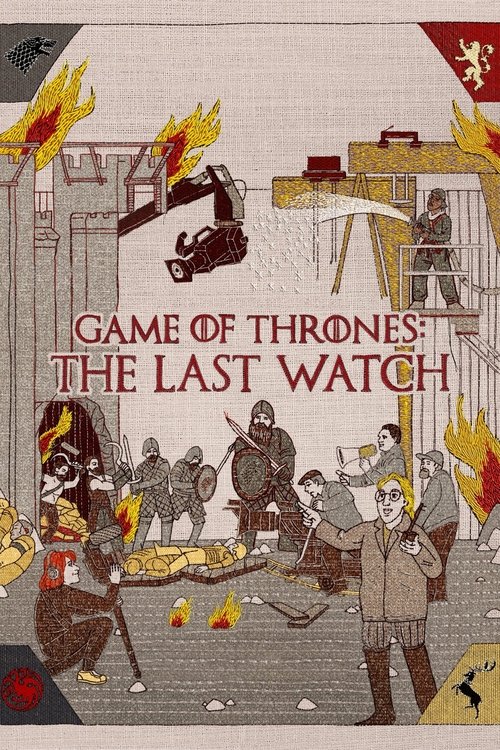
Game of Thrones: The Last Watch
Documentary
-

The Bit Player
Documentary
-

Selfie
Documentary
-
Murder in the Front Row: The San Francisco Bay Area Thrash Metal Story
DocumentaryMusic
-
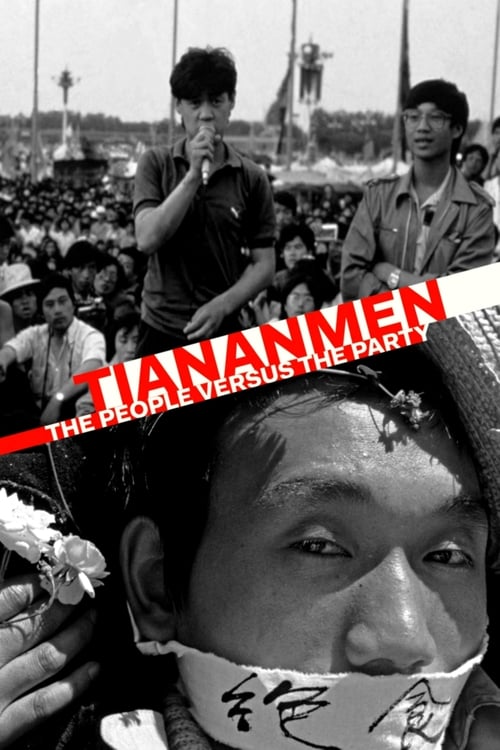
Tiananmen: The People Versus the Party
DocumentaryHistory+1
-
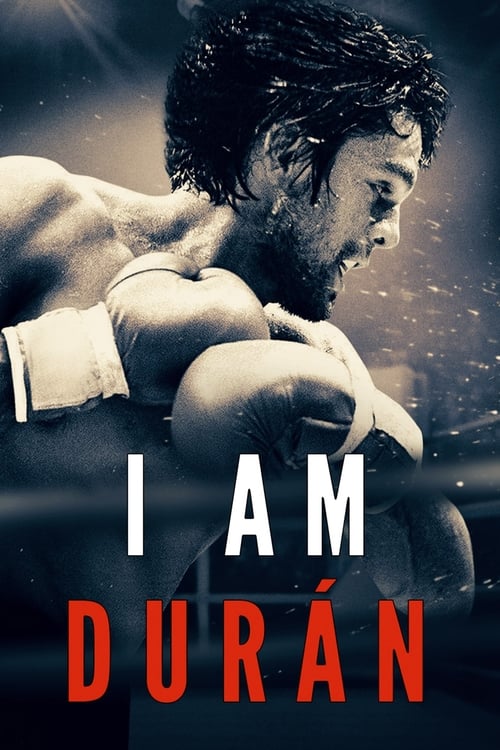
I Am Durán
Documentary
-
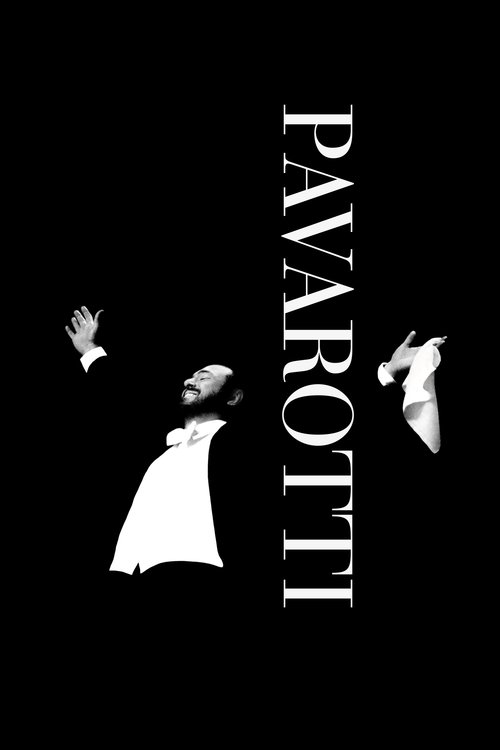
Pavarotti
DocumentaryHistory+1
-

Chasing Happiness
DocumentaryMusic
-
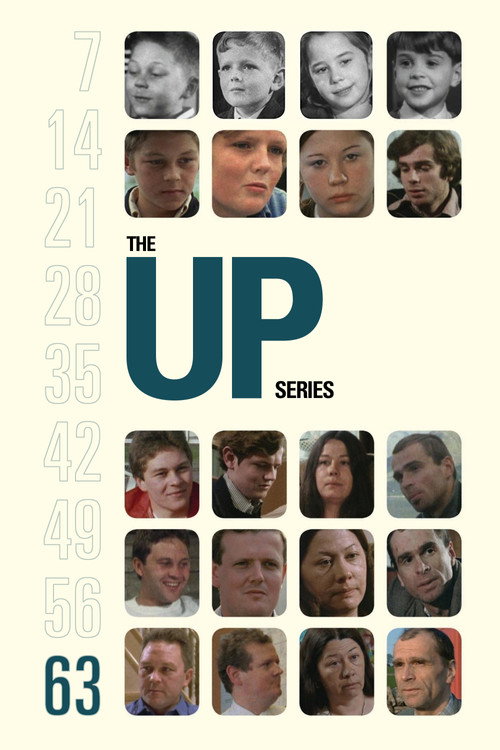
63 Up
Documentary
-

The Biggest Little Farm
Documentary
-
Living and Knowing You Are Alive
DramaDocumentary
-

Maluma: What I Was, What I Am, What I Will Be
DocumentaryMusic
-
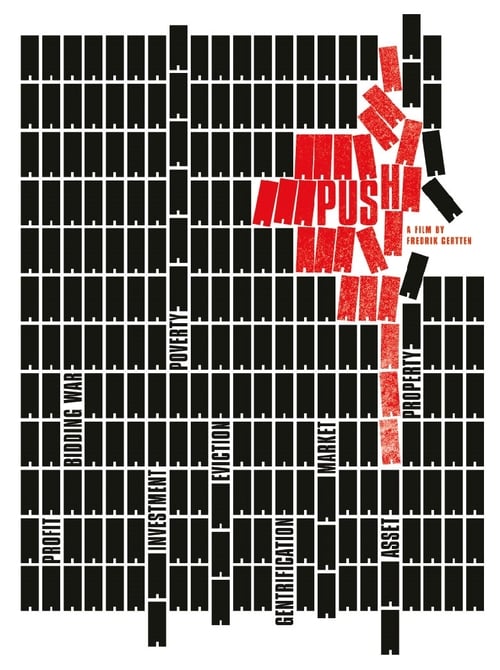
Push
Documentary
-
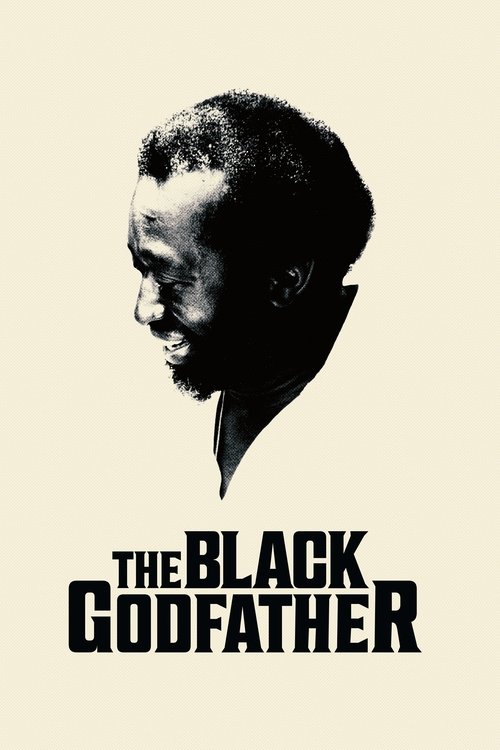
The Black Godfather
DocumentaryMusic
-

Wandering Stars
DocumentaryMusic
-
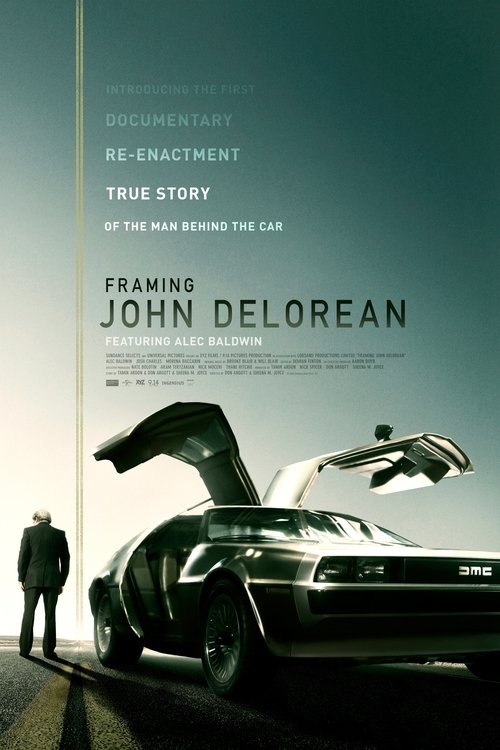
Framing John DeLorean
DocumentaryDrama
-

Halston
Documentary
-

Liam Gallagher: As It Was
DocumentaryMusic
-

In My Blood It Runs
Documentary
-

Phantastische Harry Potter Momente - Das große SAT.1 Spezial
Documentary
-

O Barato de Iacanga
DocumentaryMusic
-
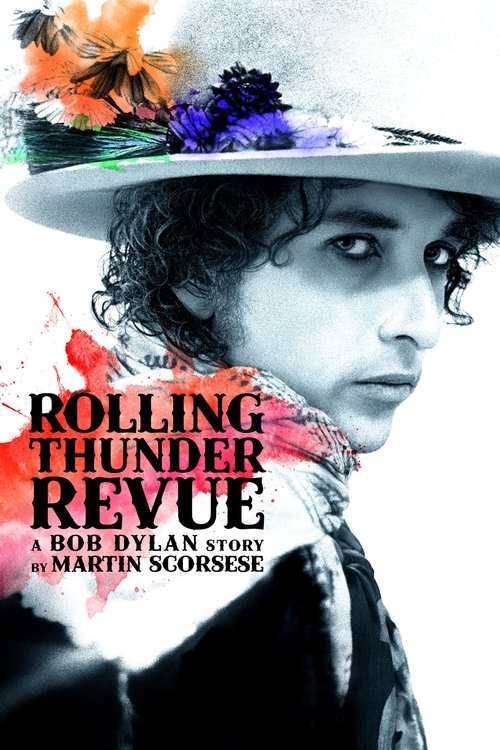
Rolling Thunder Revue: A Bob Dylan Story by Martin Scorsese
DocumentaryMusic