
CineVerse guide
Restoration and aspect ratios explained
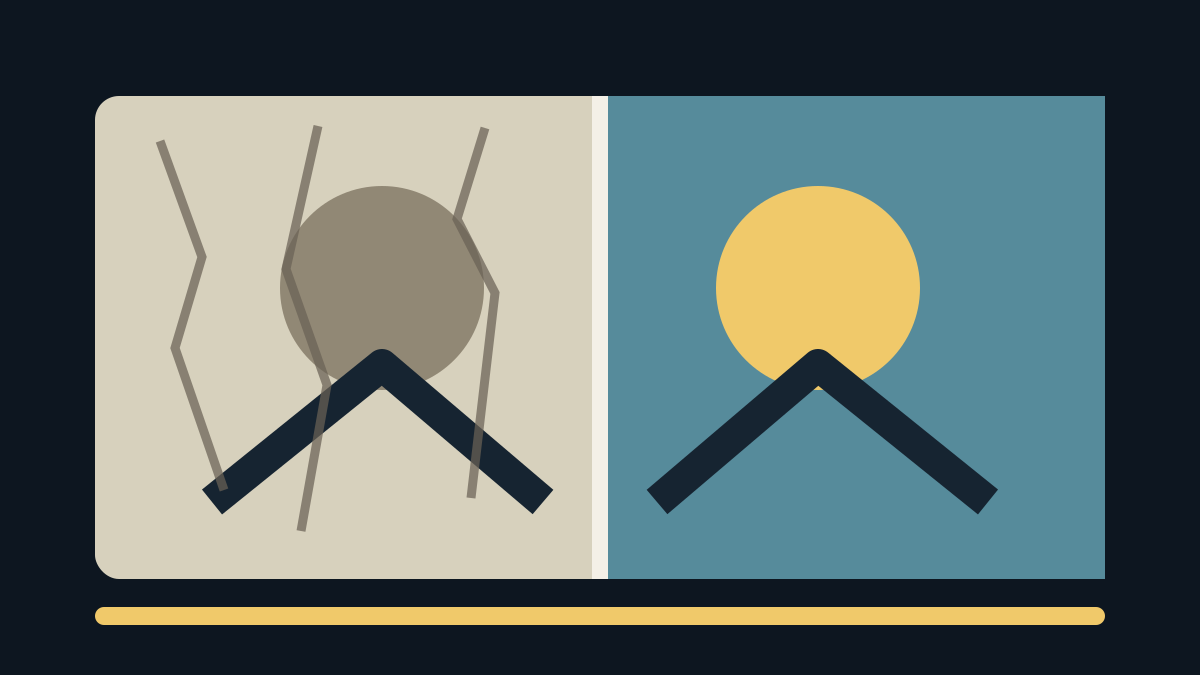
Two services can stream the same 1950s British film and give you two visibly different pictures. One may be sharper, one may be framed differently, one may fill the screen and one may not. None of that means anybody is streaming the wrong film: it means you are watching two different presentations of it.
This guide explains the two things that cause most of the confusion — restoration and aspect ratio — in the order they affect what you see, and it ends with a short routine for working out which version is on screen.
Who this is for
This guide is for viewers who have noticed scratches, black bars, changing picture shapes or competing claims such as ‘restored’ and ‘remastered’. It explains the choices behind a presentation without assuming technical knowledge. It is most useful before renting, buying or comparing editions of an older film, when the version can matter as much as the title.
What restoration actually is
Restoration is a set of decisions about a physical object. A film survives as negatives, prints and separate sound elements, and those materials age differently: they shrink, scratch, fade and splice. A restoration starts by gathering the best surviving elements and comparing them, then transferring them at high resolution, then repairing damage and stabilising the image, and finally presenting the result in a way that is documented rather than improvised.
The word is used more loosely in marketing than in archives. A new scan of an old print is not the same thing as a restoration, and a restoration is not the same thing as a remaster made for a modern release. The difference usually shows in how much is claimed about the source materials: restorations say what they were restored from.
This is why archive collections look inconsistent by design. Material recovered from different collections, decades and formats does not share a single look, and a national archive presenting 130 years of screen stories is showing you those differences rather than hiding them.
What aspect ratio means, and why it moves
Aspect ratio is the shape of the picture: the relationship between its width and its height. A film shot in one era and shown on a television or phone in another has to be fitted into a different shape, and there are only three honest ways to do it. You can keep the original shape and leave empty space above and below or at the sides; you can crop the image to fill the new shape; or you can distort it, which nobody should do.
Keeping the original shape is the choice that preserves what the filmmakers composed. Cropping fills the screen but removes the edges of the frame, and those edges are often where the information is: a figure at the side of the shot, a piece of signage, the space a character is looking into. A pan-and-scan transfer, where a moving crop follows the action, makes the loss obvious, but a fixed crop can be just as damaging and is much harder to notice.
Older films are also not one shape. British cinema of the 1930s, the 1950s and the 1970s worked in different ratios as technology and fashion changed, so a single rule for how to present 'old films' does not exist. What exists is the ratio the film was shot in, which is a property of that film.
Why one streaming version can look wrong and another look right
Platforms encode for screens, and screens are mostly wide. When a service decides that a film should fill the display, someone has made a cropping decision on your behalf, and it will not be announced on the page. When a service instead presents the film in its original shape, you get the framing but also the bars at the side, which many viewers find distracting until they stop noticing them.
Sound has a version problem too. Older British films can circulate with different mixes, and a restored soundtrack is not always the one you remember. If a film seems to have lost or gained dialogue in a scene, you are probably hearing a different element rather than a different edit.
The practical point is that 'the same film' is an assumption, not a fact. Once you know that, differences between versions stop being mysterious and start being informative.
A short routine before you press play
Check the listing for the words used. 'Restored', 'remastered' and 'new scan' mean different things, and a page that names the source materials is telling you more than one that does not.
Then look at the shape of the image in the first minute. If the picture fills a widescreen display with no bars and the film is from before the mid-1950s, you are probably watching a cropped version. If you see bars at the side, the film is being shown in its own shape and you are losing screen area rather than picture.
Finally, compare across services if a film matters to you. Availability changes, and different services in the UK often hold different presentations of the same title. Where a free archive has the film, its presentation is usually the one that comes with documentation.
How to find out what you are watching
Start with the listing page and read its wording carefully. Services that hold good masters usually say so, and archive collections explain their sources; the absence of any description is itself information about how much care went into the presentation.
Then look at the disc, download or stream's own technical description where one is offered. A presentation described as being in the film's original ratio, with a named source element, is telling you that decisions were documented. A presentation described only as 'HD' is telling you nothing about the shape or the source.
If you are comparing versions, watch the first shot that contains a doorway, a window or a group of people arranged across the frame. Those are the shots where cropping shows itself, because the composition depends on the edges, and a cropped version will feel subtly crowded in exactly those places.
Where a free archive holds the film, use it as your reference. Archive presentations are usually the ones that come with the fewest commercial pressures to make an old film fill a modern screen, and once you know how a film is supposed to sit in the frame, you can tell within seconds what a paid service has done to it.
Editor’s note
This guide describes how presentations differ; it does not claim that any specific title on any specific service is cropped or uncropped. Check the version in front of you.
Where to watch in the UK
The UK routes where archive and restored material is most likely to be found, with the official page for each. Presentations and catalogues change, so check the service.
BFI Player
Classic and independent film; subscription, rental and free sections.
How we chose
This is a craft explainer, so its factual base is deliberately small. The only external claims are the BFI's description of its free archive and the sections of BFI Player, both quoted from the BFI's own pages as fetched on 27 September 2026.
Everything else is an explanation of how pictures are framed and transferred, written from the general practice of film presentation. We have not attached numeric aspect ratios or restoration details to any individual film, because doing so would require per-title documentation we have not verified.
Sources
This page stands on three named sources. Nothing here is copied from another film site: the text is ours, the facts are attributed, and the links go to the official pages.
BFI Replay (British Film Institute) — free national film archive, no text reproduced: https://www.bfi.org.uk/bfi-replay
Licence: Site content © British Film Institute; no text or image is reproduced in our pages.
BFI Player (British Film Institute) — service page, no text reproduced: https://www.bfi.org.uk/bfi-player
Licence: Site content © British Film Institute; no text or image is reproduced in our pages.
Wikidata — film facts (title, year, director), CC0 1.0 public domain dedication: https://www.wikidata.org/wiki/Wikidata:Licensing
Licence: CC0 1.0 (public domain dedication)
All editorial text on this page is written by CineVerse Editorial. Film facts (titles, years, directors, country of origin) come from Wikidata and are reproduced without alteration; quotations from the sources below are short and each source is named and linked. Where a film is said to be available somewhere, that is the position we found at the time of checking and it can change. Sources read on 2026-09-27, en-GB.
Continue on CineVerse
Read a related CineVerse editorial page.
About this page
Written by CineVerse Editorial. Published 27 September 2026; last updated 27 September 2026. Sources are listed at the foot of the page.