
Animation films
CineVerse guide
How to choose an animated film
Animation is a way of making images move, not a promise about age, tone or subject. A page that sorts every animated film into one family shelf makes choosing harder: a hand-drawn feature, a stop-motion short and a computer-built adventure can ask for entirely different kinds of attention. The useful first question is therefore not “is it animated?” but “what sort of experience does this technique and story create?”
This guide turns the catalogue below into a decision route. It separates technique from audience, explains why the BBFC’s content advice is more informative than visual style, and offers practical filters for a household, a curious adult or somebody exploring animation craft. It does not retell any listed film and it does not assume that bright design means gentle material.
Who this is for
This guide is for adults choosing for themselves, families comparing suitability, and viewers curious about animated technique. It is especially useful when a catalogue presents very different forms under one genre label. It will not choose for a child whose sensitivities only a parent or carer knows, and it does not replace release-specific BBFC advice.
Begin with technique, not prestige
Hand-drawn work lets line, shape and rhythm carry expression directly. Look at whether movement is fluid or deliberately spare, whether backgrounds behave like painted spaces, and whether the design invites close visual attention. None of those qualities determines seriousness; they simply tell you where the film places its effort. A viewer interested in drawing may accept a slight story in exchange for an unusually coherent visual world.
Stop-motion makes material visible. Fabric, clay, paper and model surfaces retain tiny irregularities, so scale and texture become part of the pleasure. Computer animation can imitate that tactility or pursue movement impossible to build physically. Choose among them by curiosity: if process matters tonight, start with the technique you most want to notice rather than the title with the loudest campaign.
Separate audience from medium
Animation is often marketed to families, yet classification follows content rather than production method. The BBFC’s official role and guidance matter because threat, language, violence and frightening detail do not become harmless when drawn. Read the release-specific content advice, then decide whether the intensity suits the particular viewer; an age symbol alone cannot describe sensitivity to grief, peril or sustained noise.
For mixed-age groups, ask what adults need as well. Some work is designed around rapid incident, some around patient observation, and some around jokes that operate on two levels. A successful household choice is not merely acceptable to the youngest person. It gives everybody a reason to remain engaged, which may mean a shorter feature, a programme of shorts or a film whose visual craft rewards attention beyond the plot.
Use pace and duration as real filters
Running time is not a quality score. A compact animated feature can sustain one visual idea cleanly, while a long one may build a world whose rules need time. Decide how much attention the room actually has before opening the catalogue. If conversation, interruptions or a late start are likely, a shorter work protects the experience better than choosing an ambitious film and abandoning it halfway.
Pace is separate from length. Rapid cutting, dense sound and constant action can make ninety minutes feel demanding; measured movement and quiet stretches can make a longer film comfortable. Catalogue cards rarely express this difference, so use classification advice, official trailers and craft context as clues rather than relying on duration alone. The aim is a fit between the film’s rhythm and the evening.
Read design as storytelling
Visual design establishes rules before dialogue does. Repeated shapes can distinguish communities, shifts in palette can mark emotional movement, and changes in texture can separate memory from present action. When choosing for craft, look for evidence that the design has a governing idea. A technically polished surface without visual decisions may be less rewarding than modest animation with a clear point of view.
Sound deserves equal attention. Animation builds every footstep, room tone and vocal performance rather than recording a finished world. A film that uses silence, music or deliberately artificial effects may be inviting a different mode of attention from one driven by dialogue. Headphones can reveal that work, but a lively shared room may suit comedy and broad physical action better.
Build a small route through the catalogue
Avoid an undifferentiated queue. Pick three contrasting candidates: one chosen for technique, one for tone and one for audience fit. Read their official classification context, compare duration, then choose the one whose difference interests you. The other two become a useful next step rather than forgotten tiles in a large grid.
After viewing, record one sentence about what worked: perhaps tactile detail, comic timing, movement or sound. That note improves the next choice without turning taste into a rating system. Over time it produces a personal map across techniques and traditions, which is more useful than a generic ranking because it explains why one form connects and another does not.
Where this page stops
This is a method for choosing, not a history of animation and not a list of supposedly essential titles. It does not infer suitability from artwork, attach an age judgment beyond the BBFC’s own release-specific advice, or claim that any catalogue entry is offered by a particular service today. Those questions need current official pages.
The catalogue beneath the guide remains the live discovery layer. Its cards supply factual metadata and current platform data; the editorial layer supplies questions and distinctions. Keeping those roles separate avoids rewriting provider descriptions and makes the guidance useful even when the inventory changes.
A four-question selection card
Before choosing, write four answers: technique, intended audience, desired pace and acceptable intensity. “Stop-motion, adults, measured, low threat” is far more useful than a broad genre request. It also makes disagreement productive: another viewer can challenge one dimension without rejecting the whole evening. Keep the card beside the catalogue and use it to remove poor fits quickly. The exercise is deliberately small; if it takes longer than a minute, the categories have become more complicated than the decision requires.
Once two candidates remain, inspect one minute of official promotional material with the sound on and then without it. The comparison reveals whether movement, dialogue or sound design carries the experience, without requiring a synopsis. Do not infer suitability from that sample; use the exact BBFC entry for content concerns. The sample answers a craft question, while classification answers a regulatory one, and neither substitutes for the other.
For a second visit to the genre, change only one answer on the card. Moving from hand-drawn to stop-motion while keeping audience, pace and intensity stable teaches more than selecting another random tile. Controlled contrast creates a personal vocabulary for animation and avoids the false choice between repeating the same style and taking an unreasoned leap.
Editor’s note
Choose animation by the experience created by technique, rhythm and sound. Do not use the medium itself as shorthand for age or gentleness.
Where to watch in the UK
Official routes relevant to this guide are linked below. Catalogues, interfaces and terms change, so check each service directly before choosing a title or paying.
BFI Player
Official specialist-film route; inspect the current listing and access terms directly.
BFI Replay
Official free archive route; use its own search and title notes for the current position.
BBFC
Official UK classification and content-advice context for choosing an appropriate release.
How we chose
Our review on 16 October 2026 covered the BBFC pages alongside BFI Player and BFI Replay. They establish the current official routes and classification context; no catalogue description or service wording has been copied.
The distinctions between technique, pace, sound and audience are CineVerse Editorial analysis. We deliberately excluded title synopses, star ratings, popularity order and unverified availability so the guide retains value when the catalogue changes.
Sources
This page stands on four named sources. Nothing here is copied from another film site: the text is ours, the facts are attributed, and the links go to the official pages.
BFI Player — official service page, inspected without reproducing its copy: https://www.bfi.org.uk/bfi-player
Licence: Site content © British Film Institute; no text, image or catalogue description is reproduced.
BFI Replay — official archive page, inspected without reproducing its copy: https://www.bfi.org.uk/bfi-replay
Licence: Site content © British Film Institute; no text, image or catalogue description is reproduced.
BBFC — What We Do, used for the role of UK classification and content advice: https://www.bbfc.co.uk/what-we-do
Licence: Site content © British Board of Film Classification; no copy is reproduced.
BBFC — Classification Guidelines, used as the official route to current UK standards: https://www.bbfc.co.uk/what-we-do/classification-guidelines
Licence: Site content © British Board of Film Classification; no copy is reproduced.
All editorial text on this page is written by CineVerse Editorial. Film facts (titles, years, directors, country of origin) come from Wikidata and are reproduced without alteration; quotations from the sources below are short and each source is named and linked. Where a film is said to be available somewhere, that is the position we found at the time of checking and it can change. Sources read on 2026-10-16, en-GB.
Continue on CineVerse
Read a related CineVerse editorial page.
Continue on CineVerse
Read a related CineVerse editorial page.
About this page
Written by CineVerse Editorial. Published and source-checked 16 October 2026. This is original selection guidance, not a catalogue synopsis or a claim that a named title is currently offered.
-
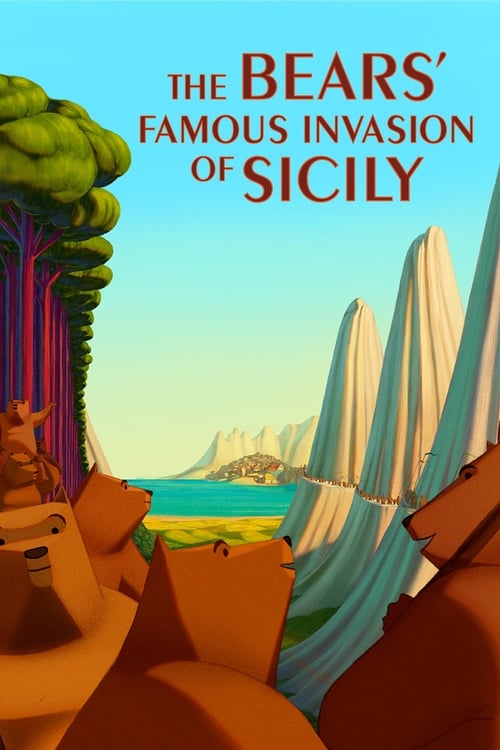
The Bears' Famous Invasion of Sicily
AnimationAdventure+2
-
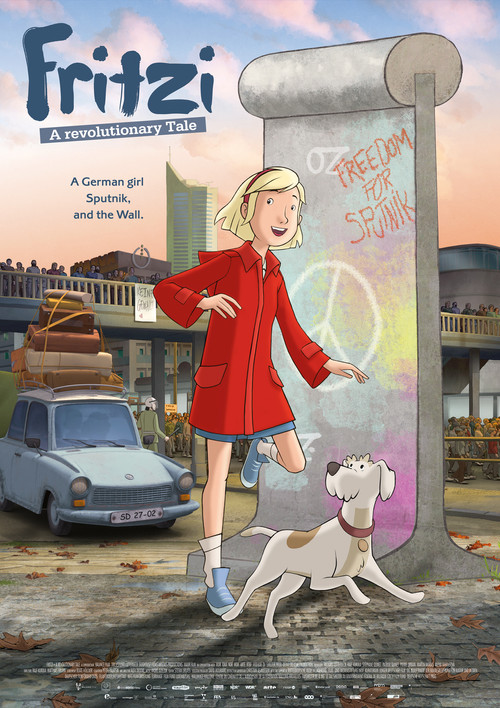
Fritzi: A Revolutionary Tale
AnimationDrama+1
-

The Addams Family
FamilyAnimation+2
-

Mosley
AnimationFamily+2
-

Marvel Rising: Operation Shuri
FamilyAnimation+2
-

Her Blue Sky
AnimationRomance
-

Human Lost
ActionAnimation+1
-

DC Showcase: Death
FantasyAnimation+1
-

Salma's Big Wish
AnimationFamily+1
-

Fantastic Return to Oz
AnimationAdventure+2
-
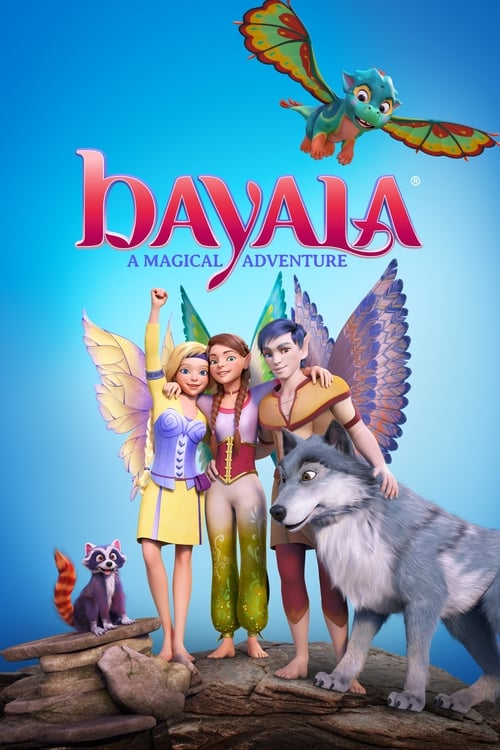
Bayala: A Magical Adventure
AnimationAdventure+2
-

Robo
Animation
-

Saekano the Movie: Finale
AnimationComedy+2
-

Rebooted
ComedyDrama+1
-

Arctic Dogs
AnimationAdventure+1
-

My Little Pony: Equestria Girls - Holidays Unwrapped
Animation
-

I Lost My Body
AnimationDrama+1
-
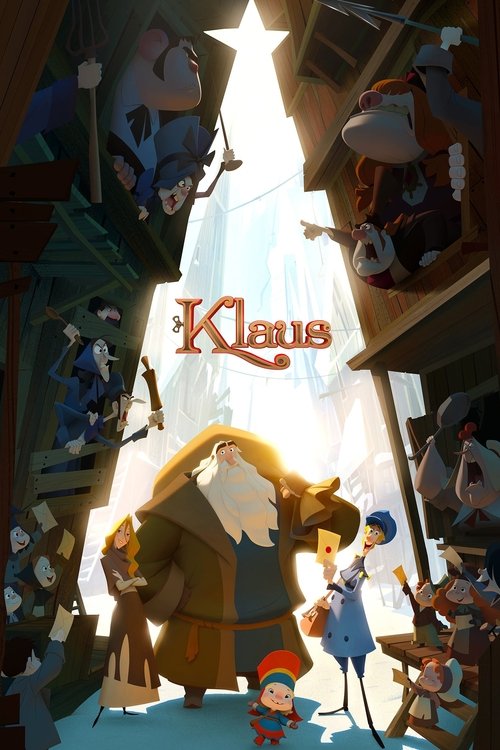
Klaus
AnimationFamily+1
-

Re:ZERO -Starting Life in Another World- The Frozen Bond
AnimationDrama+1
-
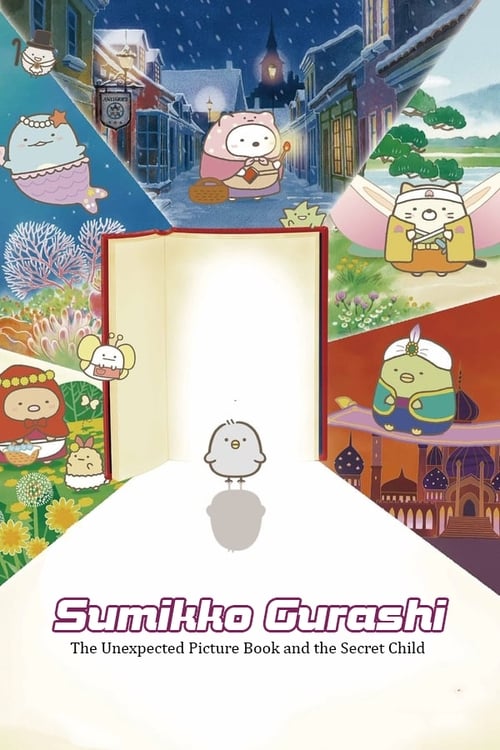
Sumikko Gurashi: The Pop-up Book and the Secret Child
AnimationFamily+1
-
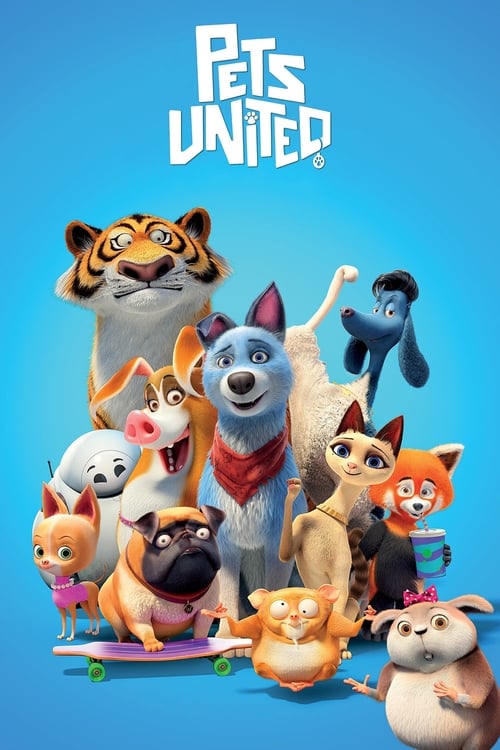
Pets United
AnimationFamily+2
-

Lukas Storyteller
AnimationFamily+1
-

Float
AnimationDrama+2
-

Forky Asks a Question: What Is Money?
AnimationFamily+1