
Best films of 2026 in the UK
The year's UK releases, chosen by our editors for UK availability and community ratings. Criteria and update date are on this page.
CineVerse guide
How to use a current-year film list
A list headed “best films of 2026” is unfinished until the year ends. Release dates move, festival premieres precede public access, and a title seen by critics abroad may not have reached UK viewers. The honest form is therefore a living collection with a date, an eligibility rule and a revision record, not a final ranking disguised as certainty.
This guide explains how to use the current-year catalogue responsibly. It separates UK release evidence from editorial recommendation, sets out what qualifies for consideration, and shows how to choose from an evolving set without chasing novelty. No title is included because of a provider synopsis or an imported score, and no service status is inferred beyond a current official check.
Who this is for
This guide is for UK viewers using a developing annual collection and for editors who want to understand its rules. It is not a prediction of awards, revenue or lasting reputation. Because 2026 is still in progress on the publication date, every inclusion remains subject to dated evidence and editorial revision.
Fix the eligibility window
The date that matters must be named. A world premiere, festival screening, cinema release and home release can fall in different years. For a UK viewer list, the cleanest rule is a documented UK public release or first lawful UK public access during the calendar year. Any exception should be stated beside the title rather than hidden in editorial discretion.
A film may circulate in awards discussion long before ordinary viewers can reach it. Treating publicity as release creates a list of anticipation rather than a viewing guide. The collection should privilege evidence that the audience it addresses had a real route to the work, while recording the date on which that route was checked.
Keep recommendation separate from availability
Eligibility says a title may be considered; it does not say the title deserves inclusion. Availability says where a release could be reached at a dated moment; it does not establish quality. Editorial selection must provide a distinct reason connected to form, argument, performance or cultural value. Keeping these three layers apart prevents commercial visibility from masquerading as judgment.
Current service data expires quickly. Each platform claim needs an official page and verification date, and its disappearance should update the access note without erasing the editorial rationale. A recommendation can remain useful after licensing changes if the reason for choosing it is genuinely about the film.
Avoid the first-quarter memory trap
Early releases are often forgotten when annual coverage accelerates. Keep a monthly ledger rather than reconstructing the year in December. Record the eligibility evidence, the editorial reason and any uncertainty at the time. This creates a traceable pool and reduces the influence of the most recent campaign.
The opposite distortion also occurs: a heavily promoted January title can occupy a place before enough of the year is visible. A living collection should mark provisional inclusion and revisit balance across form, scale and audience as the pool grows. Revision is part of the method, not an embarrassment.
Represent different kinds of achievement
A year in film is broader than prestige drama. Comedy, animation, documentary, genre work, independent production and accessible popular craft can each demonstrate excellence on their own terms. A useful selection explains those terms instead of comparing every work against one idea of seriousness.
Variety must still be earned. Categories should not become automatic slots filled by the nearest title. The editor’s task is to articulate what each inclusion contributes to an account of the year: a formal decision, a perspective, a performance, a production achievement or a conversation that changed how the period looked.
Use dated versions and change notes
Publish the list with a clear updated date and preserve a short change log. If a title is added, state whether new UK access, later consideration or a revised editorial judgment caused the change. If a title leaves, explain whether eligibility evidence failed or the finite collection was rebalanced. Silent changes make the method impossible to audit.
Do not rewrite earlier claims to look prescient. A living list is valuable precisely because it shows judgment developing. The current version should remain concise for readers, while the evidence bundle records source snapshots and editorial decisions in enough detail for review.
Choose tonight without treating the year as a race
Readers need a practical route. Start with desired tone, duration and intensity, then use the editorial rationale to compare two or three candidates. A current-year label says when the work reached the UK; it does not say what kind of evening it offers. Classification and accessibility checks remain title-specific.
The collection succeeds when a reader can explain a choice without repeating a campaign line: “this was selected for its use of sound”, “for its treatment of work”, or “for compact comic structure”. That reason may lead to disagreement, which is healthy. A transparent list invites judgment rather than borrowing it.
A monthly review rhythm
At the end of each month, freeze the eligible pool and record three things for every candidate: UK access evidence, the editorial reason it remains under consideration, and the next uncertainty to resolve. This prevents a December reconstruction based on memory and publicity. It also makes later additions intelligible because the list can show when evidence changed rather than pretending the final set was obvious from January.
Review balance quarterly, but resist replacing titles merely to create neat category totals. The question is whether the collection gives a truthful account of distinctive achievement so far. If several inclusions make the same argument about the year, the editor should ask whether another form or perspective reveals something the existing set cannot. That is a judgment about narrative coverage, not a quota.
When the year closes, publish a final dated version and retain the living change record. “Final” means the eligibility window is complete, not that cultural judgment has ended. Restoration, wider access and later criticism may change how the year is understood, but they should prompt a retrospective essay rather than silent alteration of the historical list.
The annual page should also record the difference between “not yet considered” and “considered but not selected”. The first is a workflow state; the second is editorial judgment. Conflating them makes absence look like rejection and encourages rushed verdicts on work the desk has not adequately assessed. Public copy need not expose internal queues, but the evidence manifest should preserve that distinction. It keeps the published set finite without claiming omniscience and gives later reviewers a clear reason to revisit gaps rather than reverse-engineering old decisions from silence.
Editor’s note
The current-year list is explicitly provisional. UK eligibility, current access and editorial merit are separate questions, each with its own evidence.
Where to watch in the UK
Official routes relevant to this guide are linked below. Catalogues, interfaces and terms change, so check each service directly before choosing a title or paying.
BFI Player
Official specialist-film route; inspect the current listing and access terms directly.
BFI Replay
Official free archive route; use its own search and title notes for the current position.
BBFC
Official UK classification and content-advice context for choosing an appropriate release.
How we chose
We inspected the official BFI and BBFC routes on 16 October 2026. This candidate does not attach an unverified UK release or service claim to any title and does not copy a current-year list from another publication.
The eligibility, revision and anti-recency method is original CineVerse Editorial work. The page is intentionally a guide to the finite catalogue below; title-specific evidence must remain attached to the catalogue record rather than being invented in prose.
Sources
This page stands on four named sources. Nothing here is copied from another film site: the text is ours, the facts are attributed, and the links go to the official pages.
BFI Player — official service page, inspected without reproducing its copy: https://www.bfi.org.uk/bfi-player
Licence: Site content © British Film Institute; no text, image or catalogue description is reproduced.
BFI Replay — official archive page, inspected without reproducing its copy: https://www.bfi.org.uk/bfi-replay
Licence: Site content © British Film Institute; no text, image or catalogue description is reproduced.
BBFC — What We Do, used for the role of UK classification and content advice: https://www.bbfc.co.uk/what-we-do
Licence: Site content © British Board of Film Classification; no copy is reproduced.
BBFC — Classification Guidelines, used as the official route to current UK standards: https://www.bbfc.co.uk/what-we-do/classification-guidelines
Licence: Site content © British Board of Film Classification; no copy is reproduced.
All editorial text on this page is written by CineVerse Editorial. Film facts (titles, years, directors, country of origin) come from Wikidata and are reproduced without alteration; quotations from the sources below are short and each source is named and linked. Where a film is said to be available somewhere, that is the position we found at the time of checking and it can change. Sources read on 2026-10-16, en-GB.
Continue on CineVerse
Read a related CineVerse editorial page.
Continue on CineVerse
Read a related CineVerse editorial page.
About this page
Written by CineVerse Editorial. Published and source-checked 16 October 2026. This is original selection guidance, not a catalogue synopsis or a claim that a named title is currently offered.
-

UNABOMBER
ThrillerDrama+1
-

The Love Hypothesis
RomanceComedy
-

Best of the Best
Comedy
-

You+Me - Against the World
RomanceDrama
-

Go Team!
Comedy
-
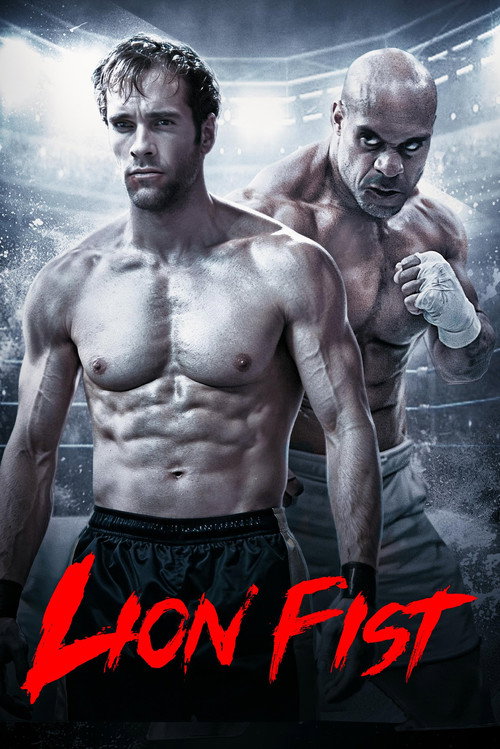
Lion Fist
Action
-

The Fix
ActionThriller
-
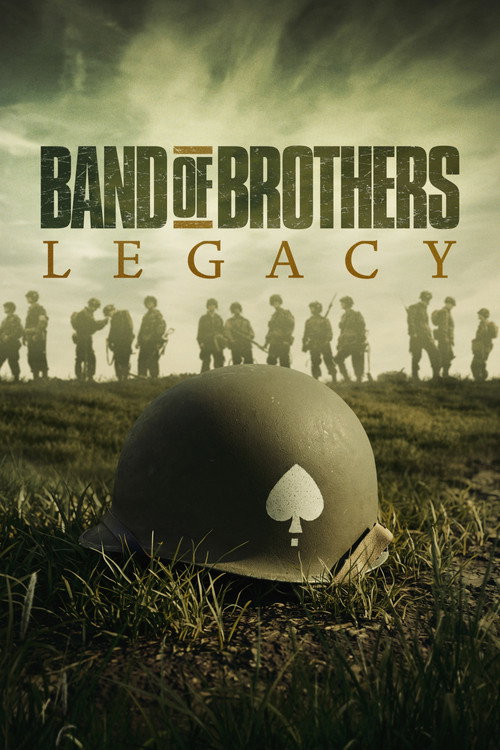
Band of Brothers: Legacy
DocumentaryWar
-

Drawn Together
RomanceThriller
-
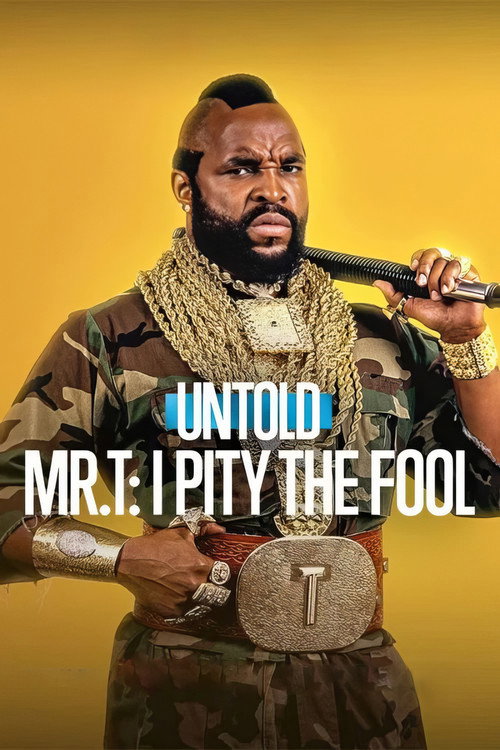
Untold Mr. T: I Pity the Fool
Documentary
-

Why Did I Get Married Again?
ComedyRomance+1
-
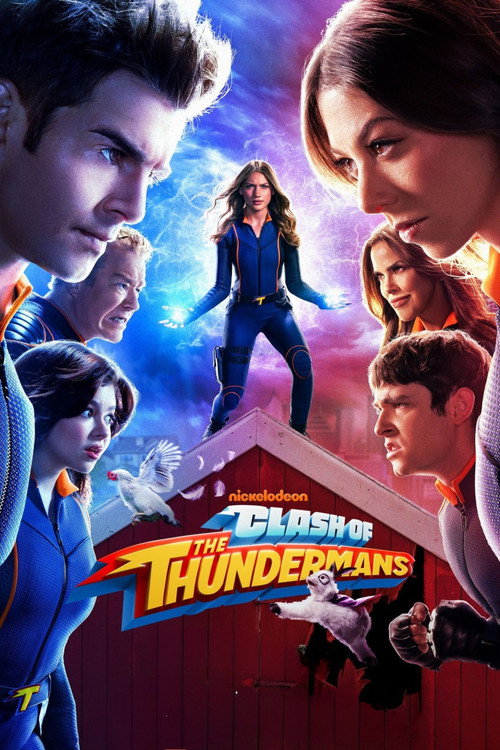
Clash of the Thundermans
TV MovieFamily+1
-

Fito Páez: The World Within a Song
DocumentaryMusic
-
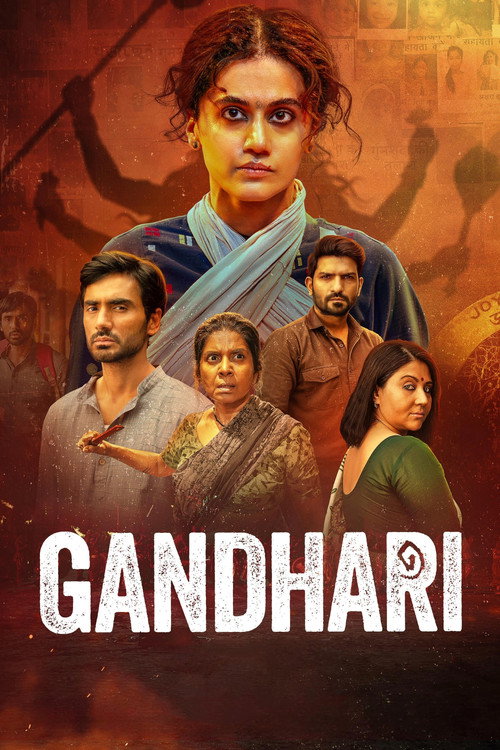
Gandhari
ActionDrama+1
-

Mayday
ActionComedy
-

The Runner
ThrillerAction
-

Turning Point: Generation 9/11
Documentary
-

Confinement
ThrillerHorror
-
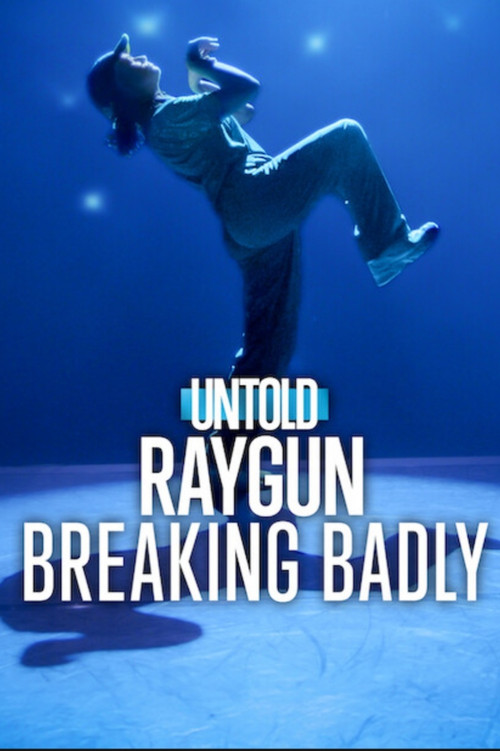
Untold Raygun: Breaking Badly
Documentary
-

Call My Agent! The Movie
ComedyDrama
-

Barreda
DramaCrime+1
-
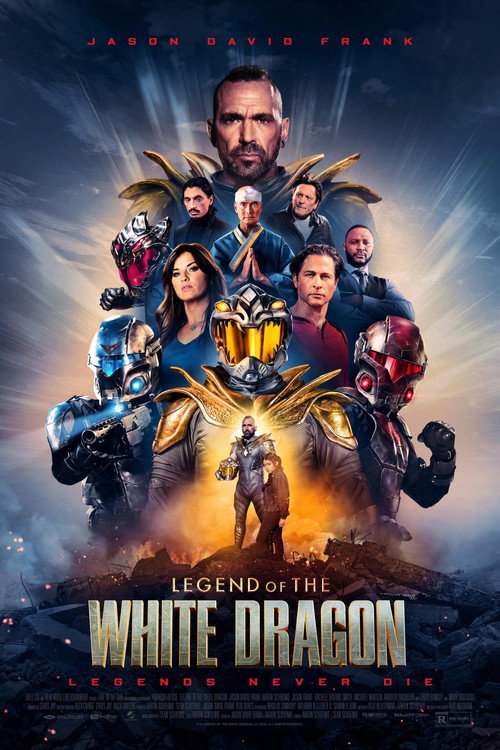
Legend of the White Dragon
ActionFantasy
-

The Secret Woman
DramaThriller+1
-

Spider Island
ComedyHorror
-

The Whisper Man
CrimeDrama+1
-

The Last Sunrise
RomanceDrama
-

Untold: The Testimony of Vince Young
Documentary
-

Facing El Chapo
CrimeAction+1
-

Pyaar Prema Kalyanam
RomanceComedy+1
-

Chompoo: Lost & Forgotten
Documentary
-

Irumudi
DramaFamily+1
-

Spa Weekend
Comedy
-
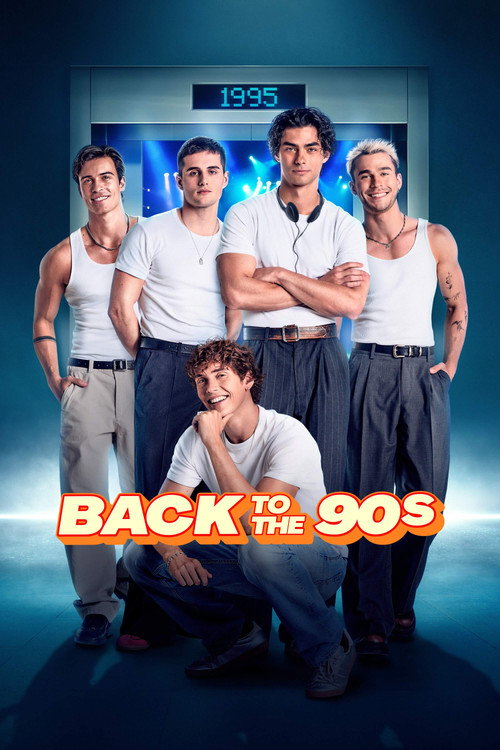
Back to the 90s
RomanceComedy+1
-

Freefall: A Reckoning for Boeing
Documentary
-

My Best Friend, His Girlfriend and Me
Comedy
-

Vishwanath & Sons
DramaRomance+1
-

Camp Rock 3
MusicComedy+2
-

Don't Say Good Luck
ComedyMusic+1
-
Nando Between Two Worlds - A Sintonia Film
CrimeThriller+1
-
The End of Oak Street
Science FictionMystery+1
-

DC
RomanceAction+1
-

THE RIBBON HERO
AnimationFantasy+2
-

Tony
DramaComedy
-

One Night Only
RomanceComedy
-

Super Troopers 3
ComedyCrime+1
-
The Last House
HorrorScience Fiction+1
-

Big Chicken: A Fast Food Conspiracy
Documentary
-

Inside the Trustor Scandal
DocumentaryCrime
-

Ice Cream Man
ComedyHorror+1
-

How to Lose a Popularity Contest
RomanceComedy
-

Soulm8te
HorrorScience Fiction+1
-
The Gentleman Thief
ActionCrime+1
-

A Child of My Own
Documentary
-

Snoopy Presents: There's No Place Like Home, Snoopy
AnimationFamily
-

I Want Your Sex
Comedy
-

The Devil's Mouth
HorrorThriller
-

Avatar Aang: The Last Airbender
AnimationAdventure+2
-

The Truthers
ThrillerDrama+1
-

Love in Slow Motion
RomanceComedy
-

Penny Lane Is Dead
ComedyHorror+1
-
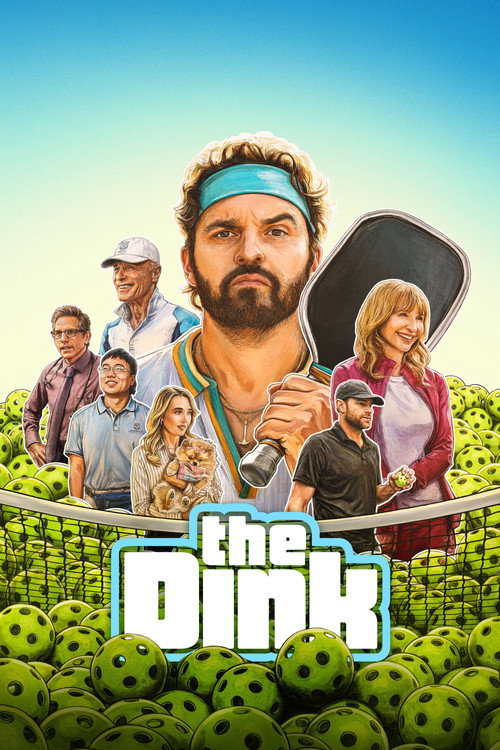
The Dink
Comedy
-

A Toxic Love Story
Documentary
-

Elize: Shadows of a Woman
ThrillerCrime+1
-

Pinocchio: Unstrung
HorrorFantasy+1
-

72 HOURS
ComedyCrime
-

The Debt Collector
ActionThriller+1
-

Descendants: Wicked Wonderland
FantasyTV Movie+2
-
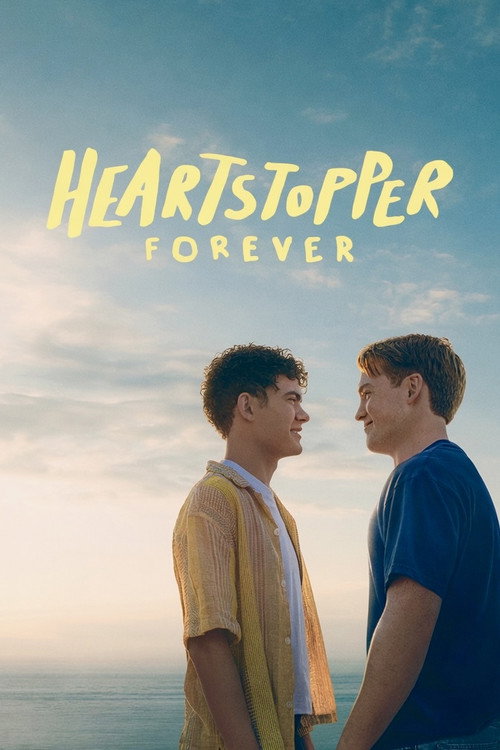
Heartstopper Forever
RomanceDrama
-

The Odyssey: The Making of an Epic
Documentary
-

Me Before Me
Drama
-

Dhamaal 4
Comedy
-

Idhayam Murali
RomanceComedy+1
-

Ikka
DramaThriller
-

Miguel Ángel Blanco: The 48 Hours That Changed Spain
Documentary
-

Shipwrecked: Nightmare at Sea
Documentary
-

The Isolate Thief
WesternAction+1
-

Moana
FamilyFantasy+2
-

Nothing to Lose
ActionDrama
-
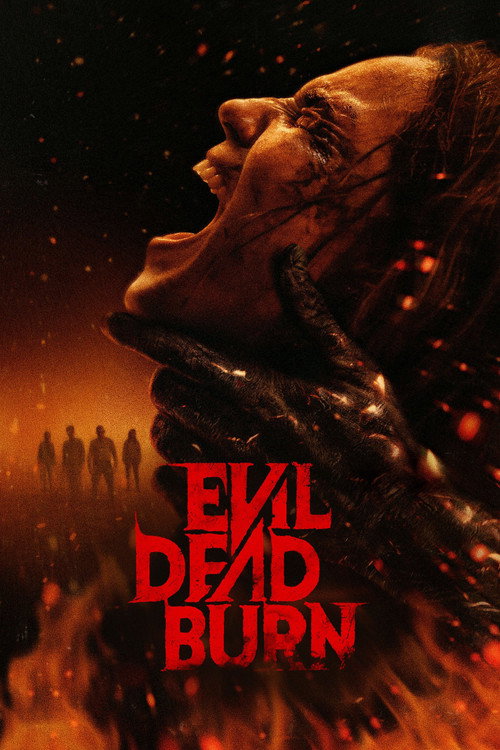
Evil Dead Burn
Horror
-

One Piece Heroines
AnimationComedy+1
-

Simpsley
AnimationComedy+1
-

23 000 Lives
Drama
-

Alpha
ActionThriller
-

The Bay
ThrillerHorror
-

Enola Holmes 3
AdventureCrime+1
-

Louis C.K.: Ridiculous
Comedy
-

Lucky Strike
ActionWar
-

Black Box
HorrorThriller
-
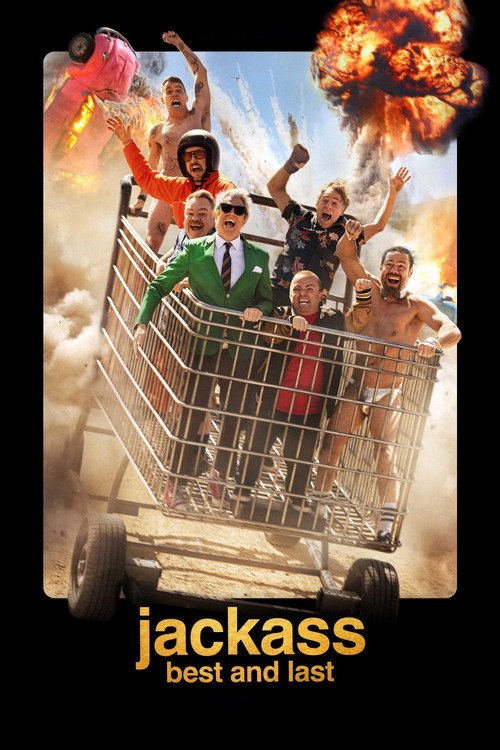
Jackass: Best and Last
ActionComedy+1
-

The Invite
ComedyDrama+1
-

Minions & Monsters
AdventureAnimation+3
-

Supergirl
ActionAdventure+1
-
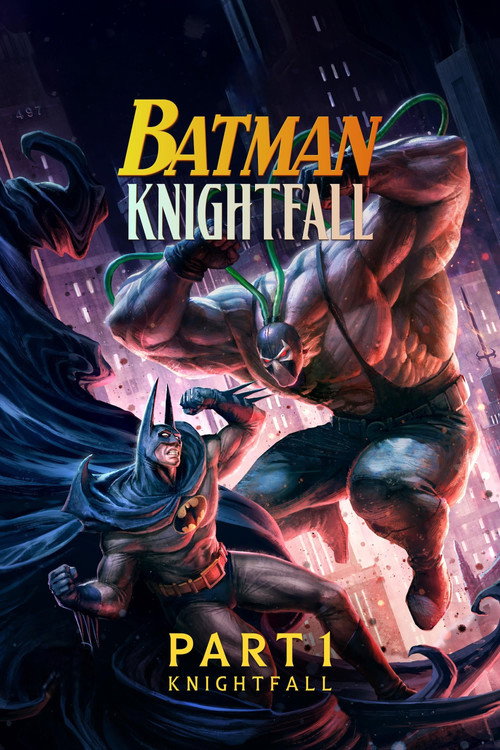
Batman: Knightfall Part 1: Knightfall
AnimationAction+2
-

Voicemails for Isabelle
RomanceComedy+1
-

Citizen Vigilante
ThrillerAction+1
-

Cocktail 2
RomanceComedy
-

Here the Whole Time
ComedyRomance
-

Little Brother
Comedy
-

Strung
MysteryThriller
-
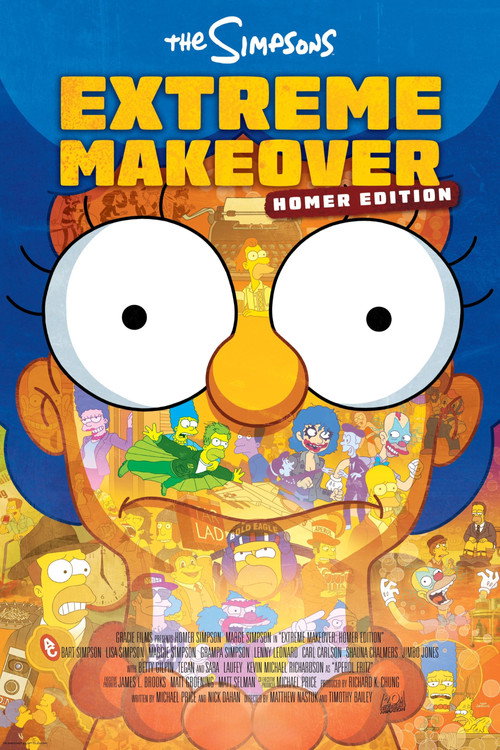
Extreme Makeover: Homer Edition
AnimationComedy+1
-
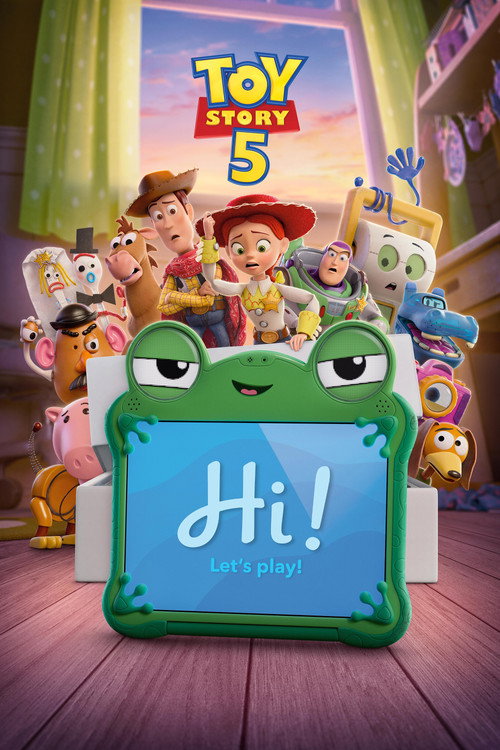
Toy Story 5
AnimationFamily+2
-

Your Fault: London
RomanceDrama
-

Husbands in Action
ComedyAction+1
-

A Family of Bastards
ComedyCrime
-

In the Hand of Dante
DramaCrime+1
-

Still Sexy
ComedyRomance
-
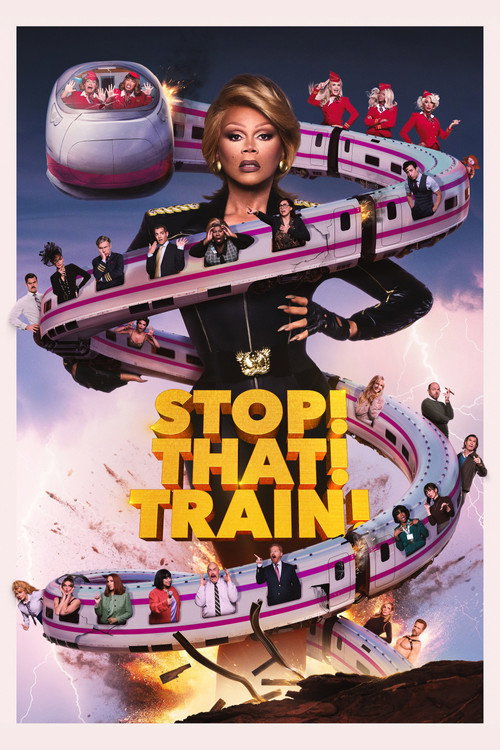
Stop! That! Train!
ActionComedy
-

Main Vaapas Aaunga
RomanceDrama+1
-

Maternal Instinct
DocumentaryCrime
-
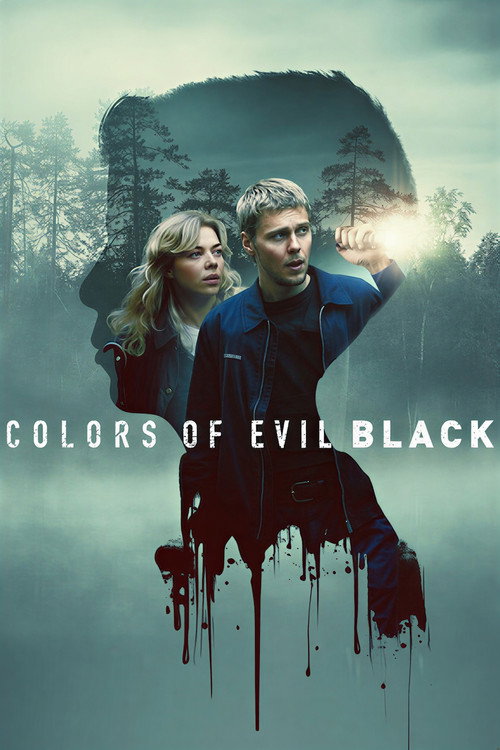
Colors of Evil: Black
ThrillerMystery+1
-

Disclosure Day
Science FictionThriller
-

The Furious
ActionCrime+1
-

Never Change!
Comedy
-

Summer House
RomanceFamily+2
-

Carolina Caroline
CrimeDrama+2
-

Savage House
ComedyDrama
-

Signal One
MysteryScience Fiction
-

The Marked Woman
ThrillerCrime
-

Maa Behen
ComedyThriller+1
-

Office Romance
RomanceComedy
-

The Murder of Rachel Nickell
DocumentaryCrime
-
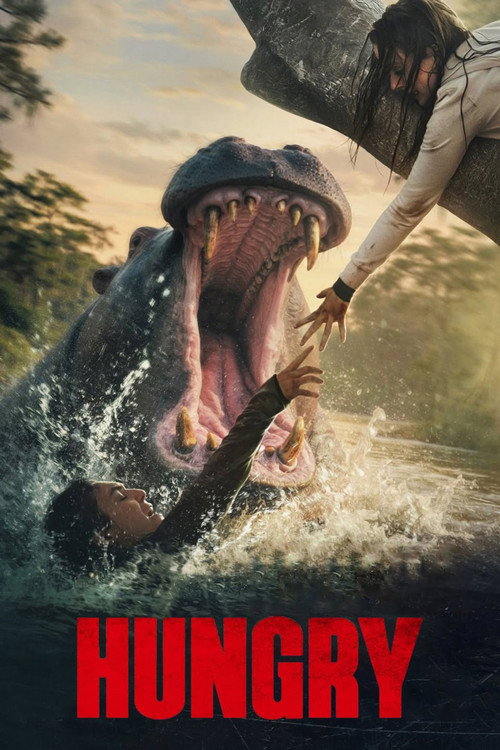
Hungry
HorrorThriller
-

Masters of the Universe
ActionFantasy+1
-

Peddi
ActionDrama
-

Scary Movie
Comedy
-

Wild Sing
ComedyMusic
-

Miss You, Love You
Drama
-

The Breadwinner
ComedyFamily
-

Blast
ActionThriller
-

WHO
Thriller
-

Backrooms
HorrorMystery+1
-

Chum
Horror
-
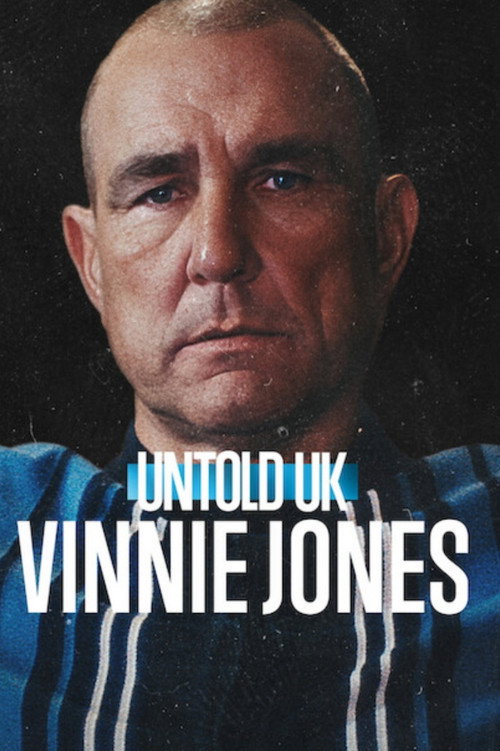
Untold UK: Vinnie Jones
HistoryDocumentary
-

Josh Johnson: Symphony
Comedy
-

Chand Mera Dil
RomanceDrama
-

Master of the Universe
Science FictionAction+1
-
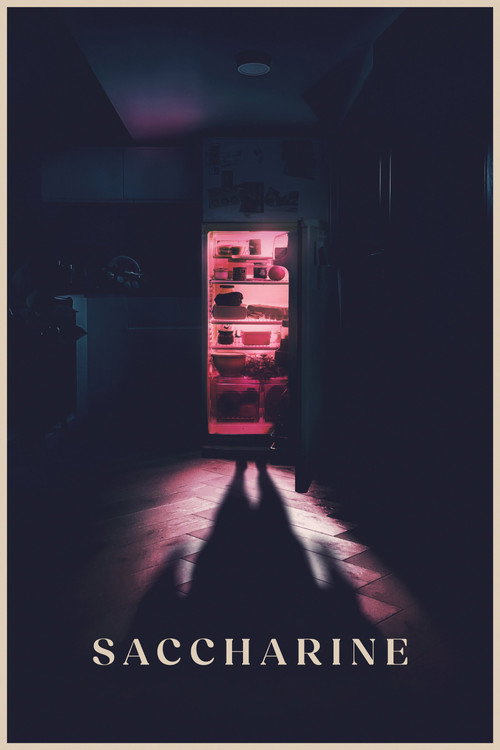
Saccharine
Horror
-
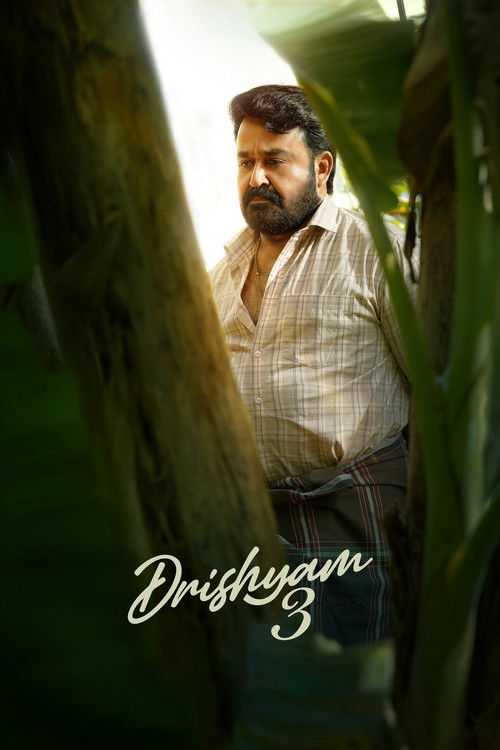
Drishyam 3
CrimeDrama+1
-

Finding Emily
RomanceComedy
-

Ladies First
ComedyFantasy
-

Mexico 86
ComedyHistory+1
-

Tuner
CrimeDrama+1
-
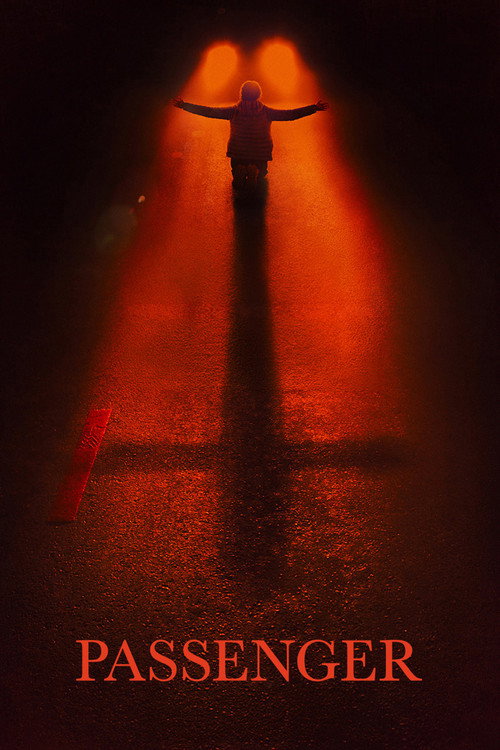
Passenger
HorrorThriller
-

Speed Demon
Horror
-

The Mandalorian and Grogu
ActionAdventure+1
-

Tom Clancy's Jack Ryan: Ghost War
ActionThriller
-

Untold UK: Liverpool's Miracle of Istanbul
DocumentaryHistory
-

Wanda Sykes: Legacy
Comedy
-

Power Ballad
ComedyMusic+1
-

Bride of the Year
ComedyRomance+1
-

Kartavya
CrimeDrama+1
-

LifeHack
CrimeThriller
-

Pati Patni Aur Woh Do
ComedyDrama+1
-
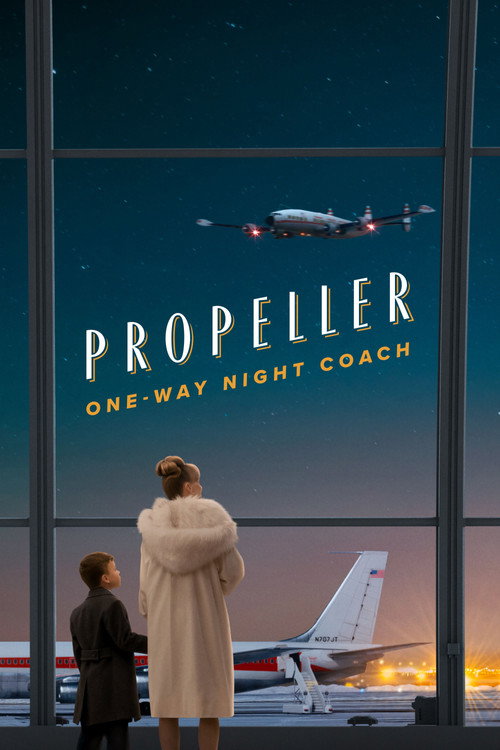
Propeller One-Way Night Coach
AdventureDrama+1
-
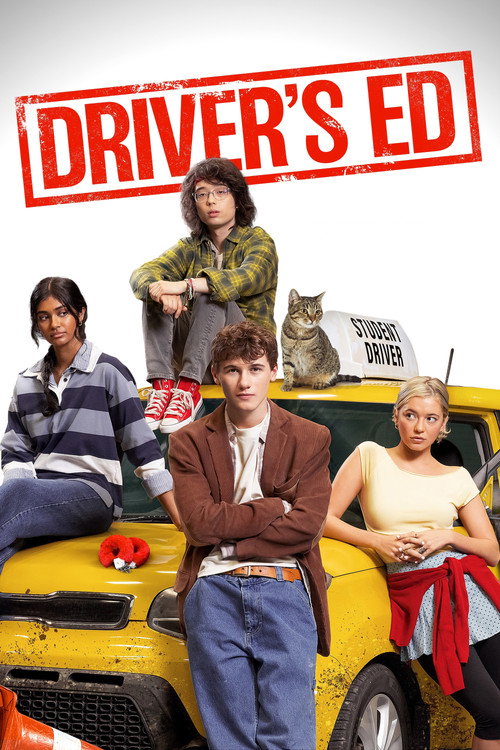
Driver's Ed
Comedy
-

Hellfire
ActionThriller
-

Is God Is
DramaThriller
-

Karuppu
ActionFantasy
-

The Crash
DocumentaryCrime
-

In the Grey
ActionThriller
-

Obsession
HorrorThriller
-

The Bus: A French Football Mutiny
Documentary
-

Jamie Vardy
Documentary
-
The Punisher: One Last Kill
ActionDrama+1
-

Marty, Life Is Short
Documentary
-

The Roast of Kevin Hart
Comedy
-

Affection
HorrorScience Fiction
-

Couples Weekend
ComedyDrama
-

Neglected
ActionThriller
-

No Place to Be Single
RomanceComedy
-

Desire
MysteryDrama
-

Iron Maiden: Burning Ambition
DocumentaryMusic
-
Remarkably Bright Creatures
DramaMystery
-

The Plastic Men
WarDrama+1
-

USA 94: Brazil's Return to Glory
Documentary
-

Billie Eilish - Hit Me Hard and Soft: The Tour (Live in 3D)
MusicDocumentary
-

Mortal Kombat II
ActionFantasy+1
-

My Dearest Assassin
ActionDrama+1
-
Gary
DramaComedy
-

Emi Martínez: The Kid Who Stops Time
AnimationDocumentary
-
Swapped
AdventureAnimation+2
-
Deep Water
HorrorThriller+1
-

Kara
CrimeDrama+2
-
Seven Snipers
ActionThriller
-

The Sheep Detectives
ComedyFamily+1
-

Hokum
HorrorThriller
-

The Devil Wears Prada 2
ComedyDrama
-

Je m'appelle Agneta
ComedyDrama+1
-

Apex
ActionThriller
-

Immortal Combat
ActionScience Fiction+1
-

Nikki Glaser: Good Girl
Comedy
-

Rose of Nevada
MysteryDrama
-

Daddy's in Trouble
Comedy
-

Desert Warrior
HistoryWar+1
-

Rosebush Pruning
ComedyDrama+1
-

Michael
MusicDrama
-

Untold: The Shooting at Hawthorne Hill
Documentary
-

Son-in-Law
ComedyDrama
-

Ballistic
ThrillerDrama
-
Busboys
Comedy
-

Erupcja
DramaComedy
-

Everyone Is Lying to You for Money
Documentary
-

Glenrothan
DramaComedy
-

Mile End Kicks
ComedyRomance+1
-

My Dearest Señorita
DramaRomance
-

Mārama
HorrorDrama+1
-
180
ThrillerCrime+2
-

A Gorilla Story: Told by David Attenborough
Documentary
-

Bhooth Bangla
HorrorComedy
-

Kill Code
ActionThriller+1
-

Mother Mary
MusicDrama+1
-
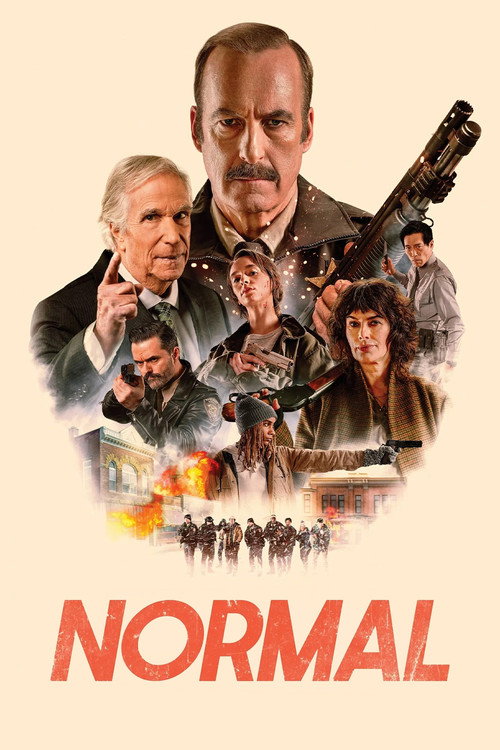
Normal
ActionCrime+1
-

Balls Up
ComedyAction+1
-

Brothers Under Fire
ActionThriller+2
-
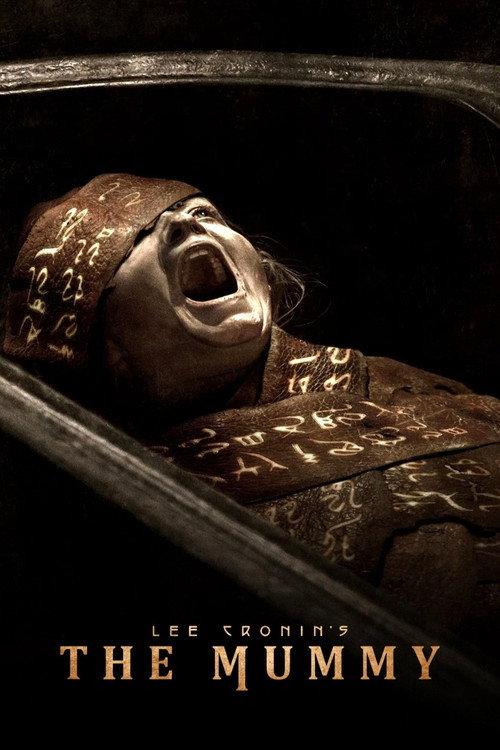
Lee Cronin's The Mummy
HorrorMystery
-

Toaster
ComedyCrime+1
-

Untold: Jail Blazers
Documentary
-

Roommates
Comedy
-

Trevor Noah: Joy in the Trenches
Comedy
-

Beast
ActionDrama
-

Bharathanatyam 2 Mohiniyattam
ComedyThriller
-

Boulevard
RomanceDrama
-

Faces of Death
HorrorCrime
-

Love Insurance Kompany
RomanceScience Fiction+1
-

18th Rose
DramaRomance+1
-

Rise of the Conqueror
HistoryAction+2
-
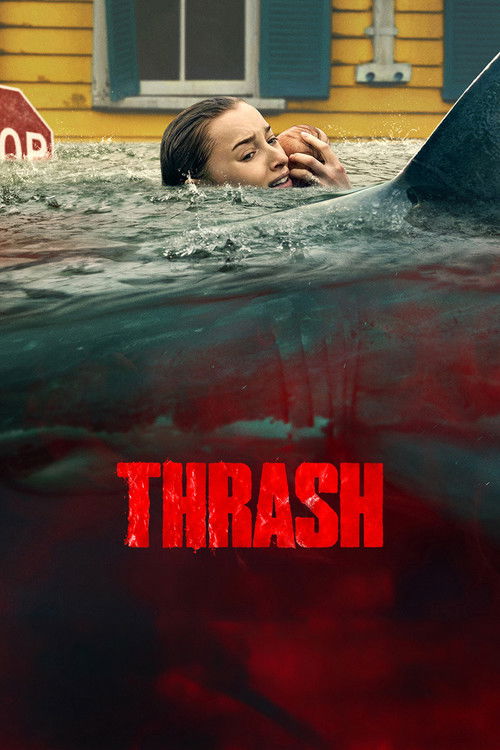
Thrash
HorrorThriller
-

You, Me & Tuscany
RomanceComedy
-

Sheng Wang: Purple
Comedy
-
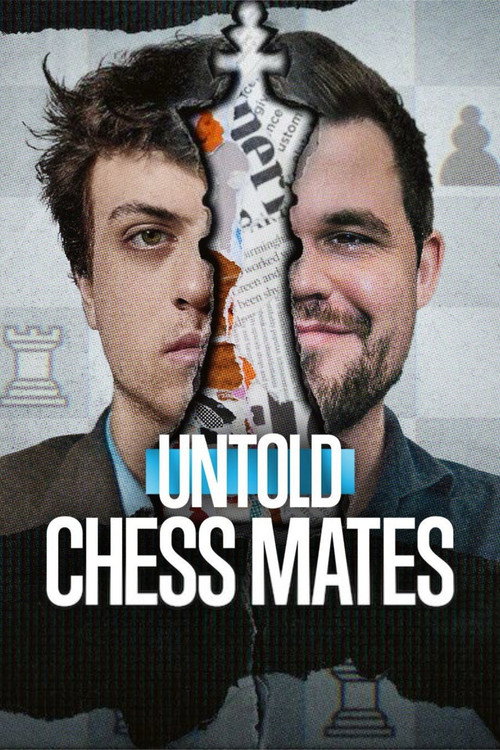
Untold: Chess Mates
Documentary
-

Outcome
ComedyDrama
-

Finding Harry: The Craft Behind the Magic
Documentary
-
Wonderful Nightmare
ComedyRomance+1
-
A Great Awakening
HistoryDrama
-

Feel My Voice
MusicDrama+1
-

Raakaasa
FantasyComedy
-

S4: The Bob Lazar Story
Documentary
-

Bone Keeper
HorrorAdventure+1
-

Eat Pray Bark
Comedy
-

It Takes a Village
RomanceComedy
-

The Drama
RomanceComedy+1
-

The Giant Falls
Drama
-

The Super Mario Galaxy Movie
FamilyComedy+3
-

Untold: The Death & Life of Lamar Odom
Documentary
-

The Christophers
CrimeComedy+1
-

Empire of Lies
DramaThriller
-
No Ordinary Heist
CrimeThriller
-

Our Hero, Balthazar
DramaComedy
-
The AI Doc: Or How I Became an Apocaloptimist
Documentary
-

53 Sundays
ComedyDrama
-

Forbidden Fruits
HorrorComedy
-

Old Bandits
ComedyAction+1
-
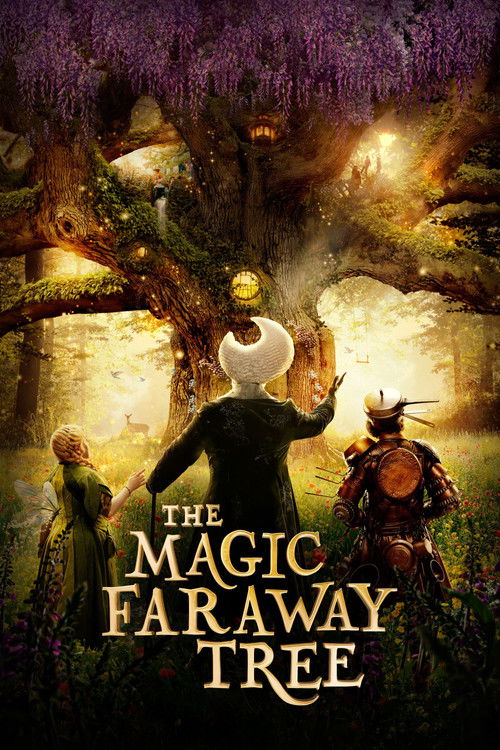
The Magic Faraway Tree
AdventureFamily+1
-

They Will Kill You
ActionComedy+2
-

Fuze
ActionCrime+1
-

Hannah Montana 20th Anniversary Special
DocumentaryMusic
-

The Red Line
ThrillerCrime+1
-

Blue Heron
Drama
-

Bonolota Express
DramaComedy+1
-

BTS THE COMEBACK LIVE | ARIRANG
Music
-

Agent Zeta
DramaThriller
-
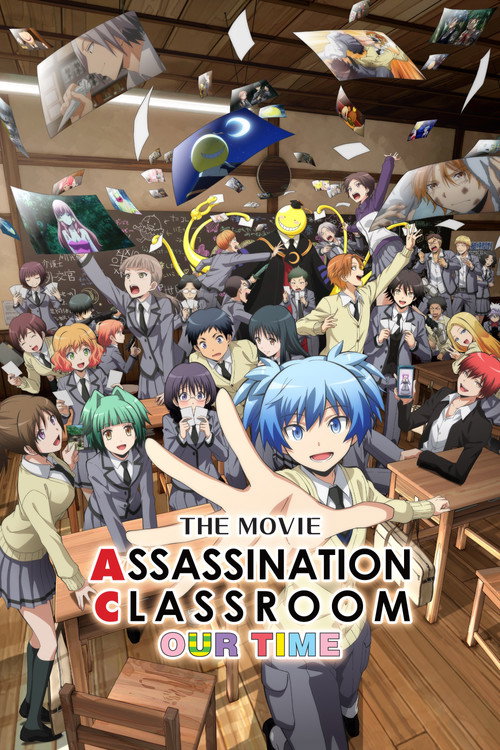
Assassination Classroom the Movie: Our Time
AnimationComedy+2
-

The Cure
HorrorThriller
-

Touch Me
HorrorScience Fiction+1
-

Tow
Drama
-

Vampires of the Velvet Lounge
ComedyHorror
-

Do Not Enter
Horror
-

Ready or Not: Here I Come
HorrorComedy
-

The Truth and Tragedy of Moriah Wilson
DocumentaryCrime
-

Youth
ComedyRomance+1
-

Dhurandhar: The Revenge
ActionCrime+1
-

Wild Foxes
Drama
-

Beast Race
ActionScience Fiction+1
-

Capture
Horror
-

Preschool
Comedy
-
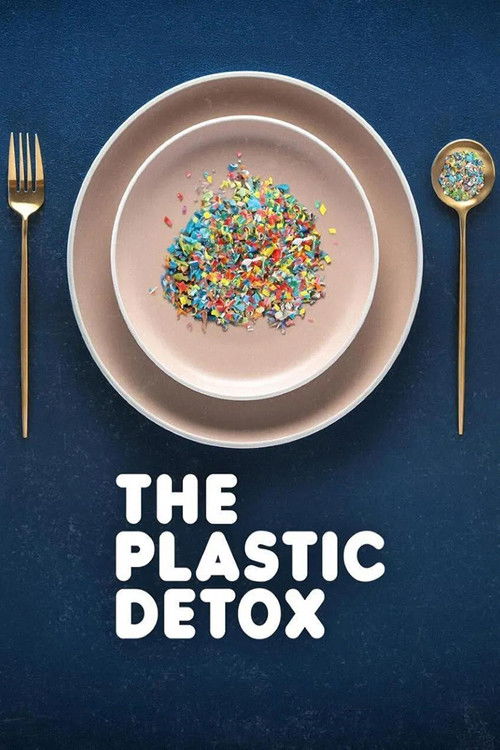
The Plastic Detox
Documentary
-

Project Hail Mary
Science FictionAdventure
-

Mike & Nick & Nick & Alice
ComedyScience Fiction+1
-

Over Your Dead Body
ActionComedy+1
-

Golden Kamuy -The Abashiri Prison Raid-
ActionDrama+2
-

Pizza Movie
ComedyAdventure+1
-

Pretty Lethal
ActionThriller+1
-

Sniper: No Nation
ActionThriller
-

Storm Rider: Legend of Hammerhead
AdventureScience Fiction+1
-
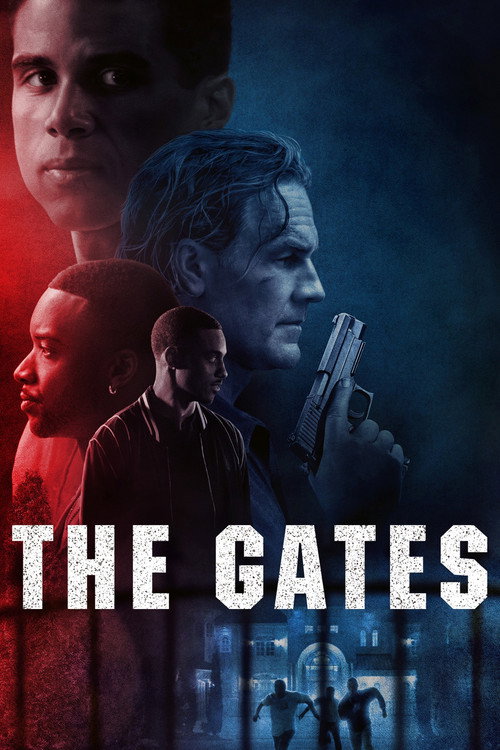
The Gates
Thriller
-

The Rise of the Red Hot Chili Peppers: Our Brother, Hillel
DocumentaryMusic
-

#SKYKING
Documentary
-

Barbara - Becoming Shirin David
Documentary
-

Bodycam
Horror
-

Made in Korea
Drama
-

undertone
HorrorMystery
-

Reminders of Him
RomanceDrama
-

Louis Theroux: Inside the Manosphere
Documentary
-

Harry Styles. One Night in Manchester.
Music
-

Bury the Devil
HorrorThriller
-

Dolly
Horror
-

The Deadly Little Mermaid
Horror
-

Good Boy
ThrillerDrama+2
-

Peaky Blinders: The Immortal Man
CrimeDrama
-
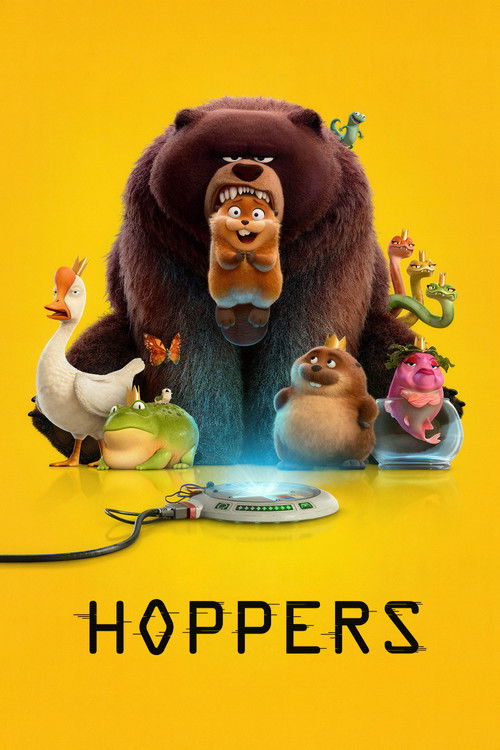
Hoppers
AdventureAnimation+3
-

Street Flow 3
Drama
-

The Bride!
Science FictionHorror+1
-

Wardriver
ThrillerCrime
-

Diabolical: The Epstein Files
DocumentaryCrime
-

Accused
ThrillerMystery+1
-

Ghost Elephants
Documentary
-

K-Pops!
ComedyDrama+1
-

One Mile: Chapter Two
ActionCrime
-

Rocky's Cat-astrophe
AnimationFamily
-

Starbright
AdventureAction
-

That Time I Got Reincarnated as a Slime the Movie: Tears of the Azure Sea
AnimationFantasy+2
-

Vengeance
ActionThriller
-

Pose
Thriller
-

Scream 7
HorrorMystery+1
-

Taylor Tomlinson: Prodigal Daughter
Comedy
-

Do Deewane Seher Mein
RomanceDrama+1
-

Fukushima: A Nuclear Nightmare
DocumentaryDrama+1
-

Hen
AdventureDrama
-
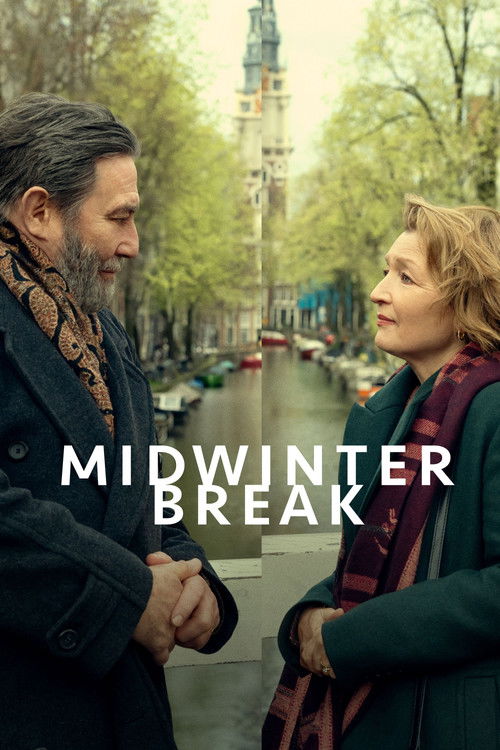
Midwinter Break
Drama
-
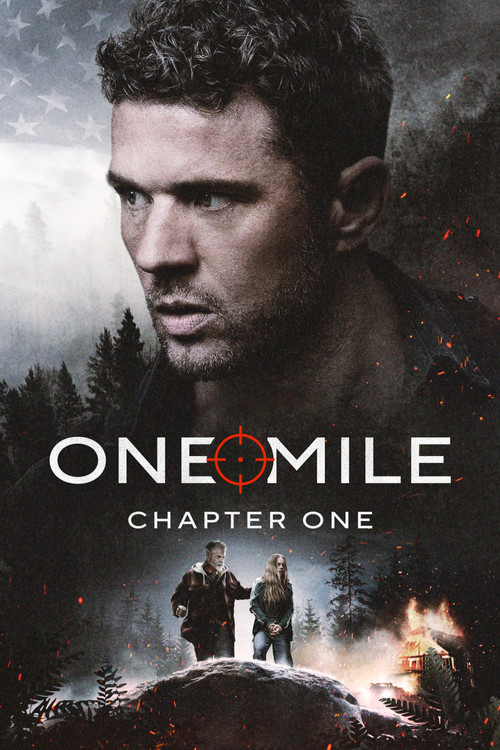
One Mile: Chapter One
ActionCrime
-

Psycho Killer
CrimeHorror+1
-
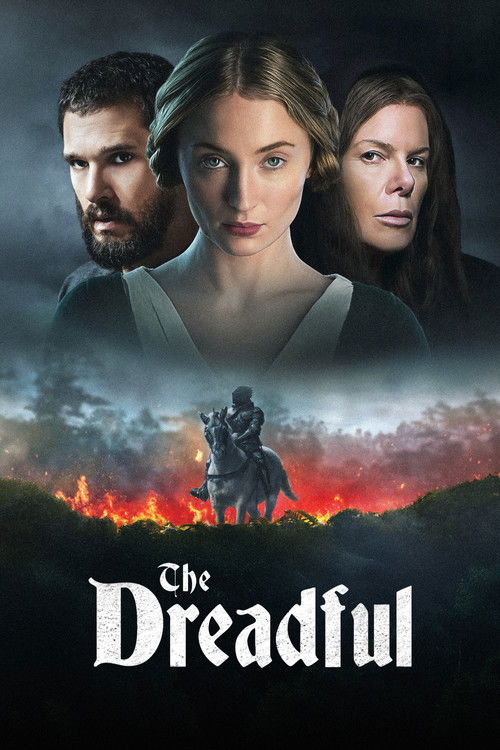
The Dreadful
Horror
-

This Is Not a Test
ThrillerHorror
-

Wasteman
CrimeDrama+1
-

Firebreak
ThrillerDrama
-
I Can Only Imagine 2
MusicDrama
-

Man on the Run
DocumentaryMusic
-

Pavane
RomanceDrama
-

Strangers in the Park
ComedyDrama
-

Couture
Drama
-

EPiC: Elvis Presley in Concert
MusicDocumentary
-

Blades of the Guardians
ActionAdventure
-

Double Happiness
Drama
-

Panda Plan: The Magical Tribe
ActionComedy+2
-

Per Aspera Ad Astra
Science FictionDrama+1
-

The Bluff
DramaAction+1
-

The Singers
MusicDrama+1
-

How to Make a Killing
ComedyThriller
-

Quantum Supremacy
Science FictionAnimation+2
-

Gintama the Movie 2026: Yoshiwara in Flames
AnimationAction+2
-

Good Luck, Have Fun, Don't Die
Science FictionAction+1
-

Kissing Is the Easy Part
RomanceComedy
-

O'Romeo
RomanceAction+1
-

The Dangers in My Heart: The Movie
AnimationRomance
-

The Mortuary Assistant
HorrorMystery
-

The Swedish Connection
DramaHistory+1
-

F Valentine's Day
RomanceComedy
-

Joe's College Road Trip
Comedy
-

Love Me Love Me
RomanceDrama
-

War Machine
ActionScience Fiction+1
-

Crime 101
CrimeThriller
-
GOAT
AnimationComedy+1
-

Humint
ThrillerAction+1
-

The Loved One
RomanceDrama
-

Tu Yaa Main
ThrillerRomance
-

“Wuthering Heights”
RomanceDrama+1
-

Katt Williams: The Last Report
Comedy
-
Misdirection
ActionCrime+1
-
State of Fear
ActionThriller+2
-

This Is I
DramaMusic
-

Reckless
ActionComedy+2
-

The Way to You
RomanceTV Movie+1
-

André Is an Idiot
Documentary
-

Fabian and the Deadly Wedding
ComedyCrime+1
-

Hamlet
Drama
-

Kraken
HorrorAction+1
-
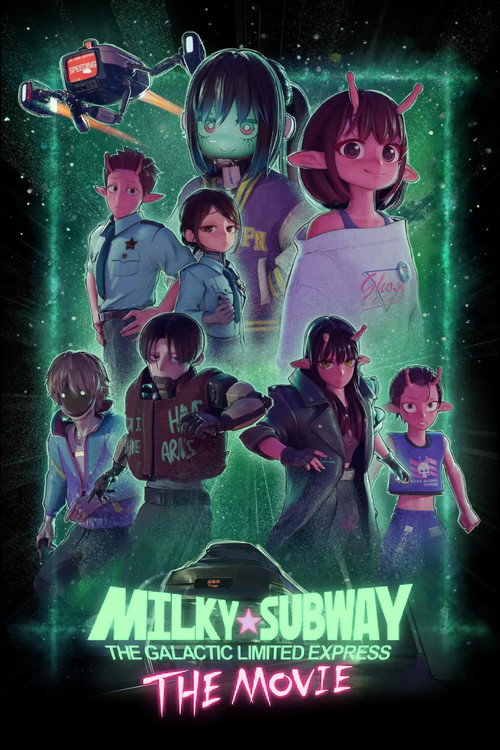
Milky☆Subway: The Galactic Limited Express - the Movie
AnimationAction+3
-

Off We Go 2
ComedyRomance
-

The Huntsman
ThrillerMystery
-

To the Max
DramaAdventure
-
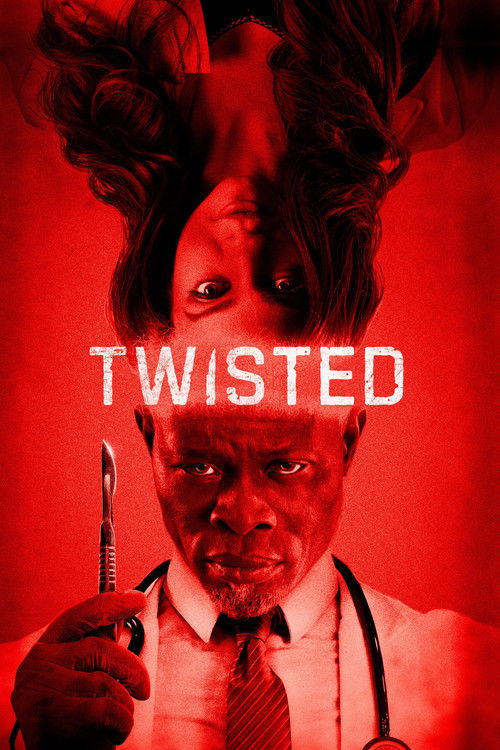
Twisted
HorrorThriller
-

Vadh 2
CrimeDrama+1
-

With Love
RomanceComedy
-

Yoh! Bestie
RomanceComedy
-

The Strangers: Chapter 3
HorrorThriller
-

Relationship Goals
RomanceComedy
-
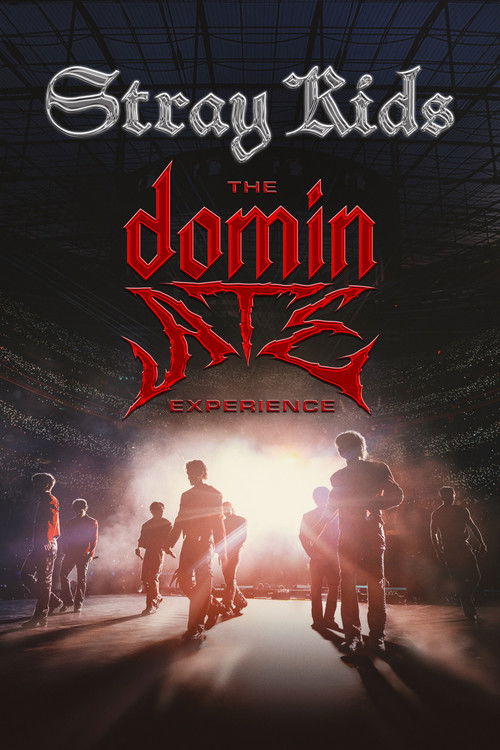
Stray Kids: The dominATE Experience
MusicDocumentary
-

The Investigation of Lucy Letby
DocumentaryCrime
-
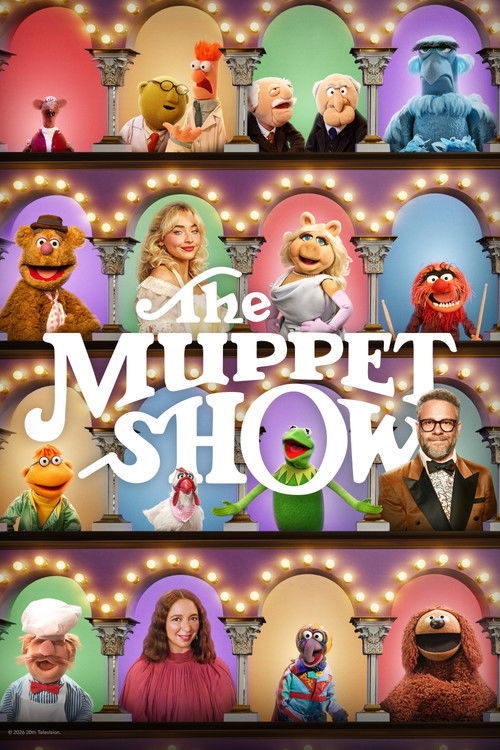
The Muppet Show
ComedyFamily+2
-

Nirvanna the Band the Show the Movie
ComedyScience Fiction+1
-

Missing the Boat
RomanceDrama+1
-

Aida, the Movie
Comedy
-

Grizzly Night
HorrorThriller+1
-
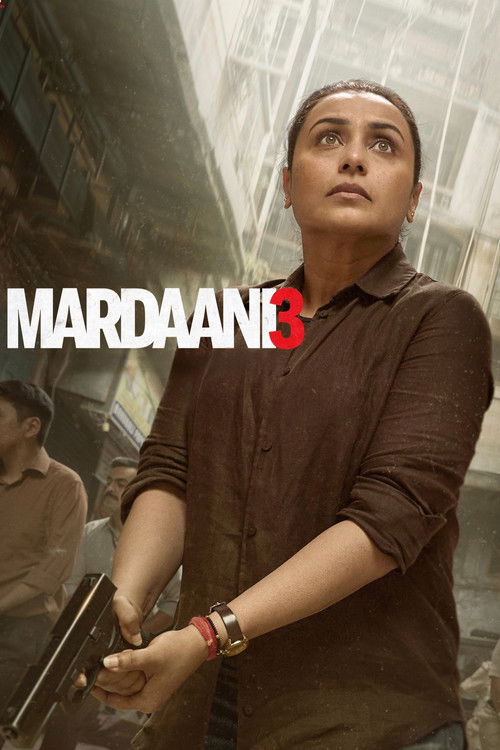
Mardaani 3
ActionCrime+1
-

Melania
Documentary
-

Miracle: The Boys of '80
DocumentaryHistory
-

MOBILE SUIT GUNDAM HATHAWAY The Sorcery of Nymph Circe
AnimationScience Fiction+2
-

My Sister's Bones
DramaThriller+1
-

The Moment
MusicComedy+1
-

Addition
DramaRomance
-

A Letter to My Youth
Drama
-
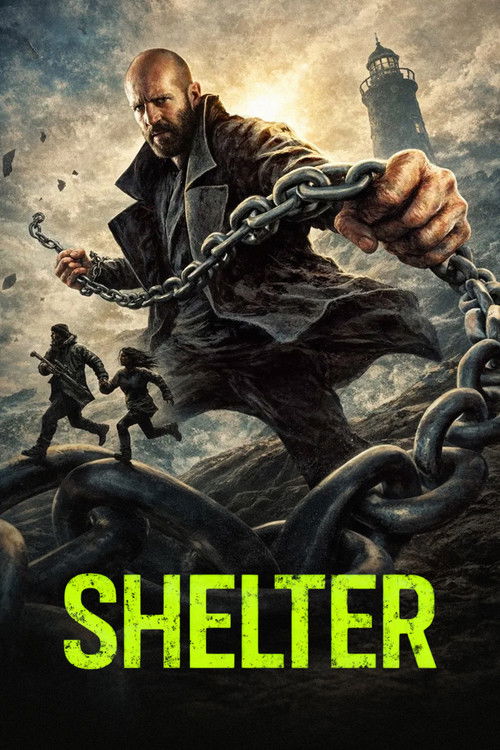
Shelter
ActionCrime+1
-

The Wrecking Crew
ActionComedy+2
-

Queen of Chess
Documentary
-

Untitled Home Invasion Romance
ComedyAction+3
-

A Super Progressive Movie
AnimationComedy
-

In the Blink of an Eye
Science FictionDrama
-

Caught by Love
RomanceTV Movie
-

Border 2
ActionDrama+1
-

Cheekatilo
Thriller
-

He's Watching You
HorrorThriller
-

Honey Bunch
FantasyHorror+2
-

In Cold Light
ThrillerCrime
-

Skyscraper Live
AdventureDocumentary
-

Chatha Pacha: The Ring of Rowdies
ActionDrama+1
-

Clika
MusicDrama
-

Cold Storage
HorrorScience Fiction+1
-

Cosmic Princess Kaguya!
AnimationFantasy+2
-

Disneyland Handcrafted
Documentary
-

Send Help
HorrorThriller+1
-
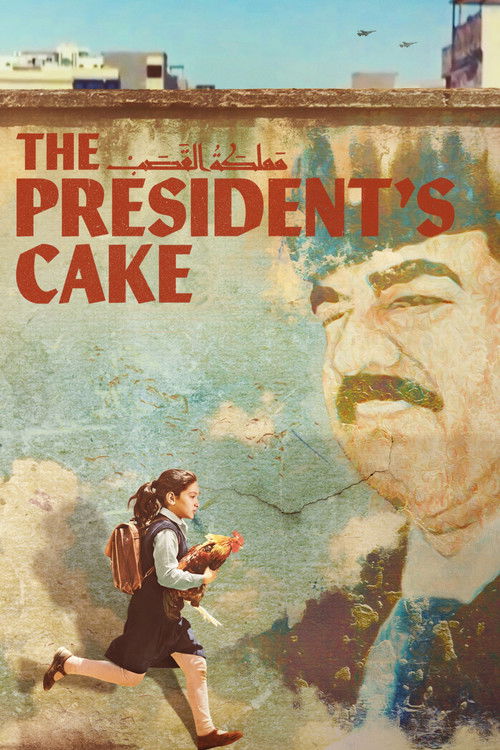
The President's Cake
Drama
-
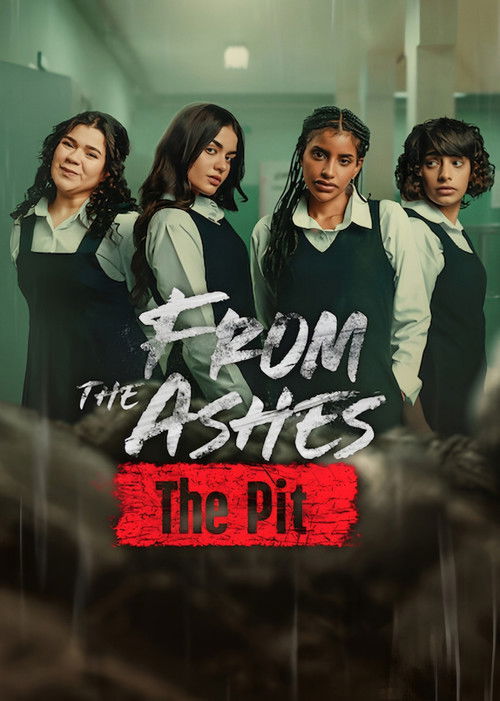
From the Ashes: The Pit
ThrillerDrama
-

Return to Silent Hill
HorrorMystery
-

The Wizard of the Kremlin
Drama
-

Kidnapped: Elizabeth Smart
DocumentaryCrime
-

The Calling Witch
ThrillerHorror+2
-

Whistle
HorrorMystery
-
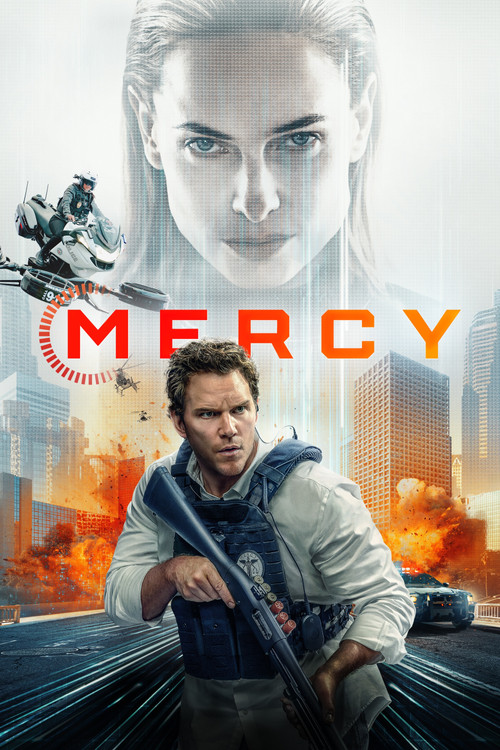
Mercy
Science FictionThriller+2
-

Love on the Amazon
RomanceTV Movie
-

Happy Patel: Khatarnak Jasoos
ComedyAction+1
-

Killer Whale
ThrillerHorror+1
-

Night Patrol
HorrorMystery
-

28 Years Later: The Bone Temple
HorrorThriller+1
-

Anaganaga Oka Raju
ComedyRomance
-

Naari Naari Naduma Murari
RomanceDrama+1
-

The Internship
Action
-

The Rip
ActionThriller+1
-
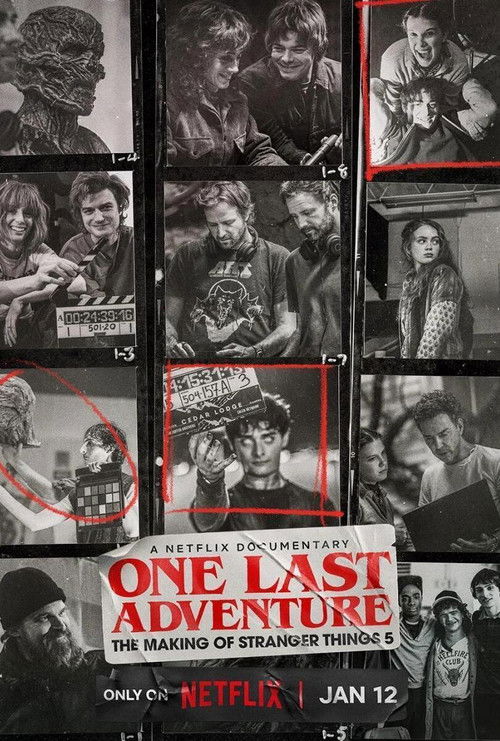
One Last Adventure: The Making of Stranger Things 5
Documentary
-

A Match Made in Melbourne
RomanceTV Movie+1
-

ALL YOU NEED IS KILL
AnimationAction+2
-
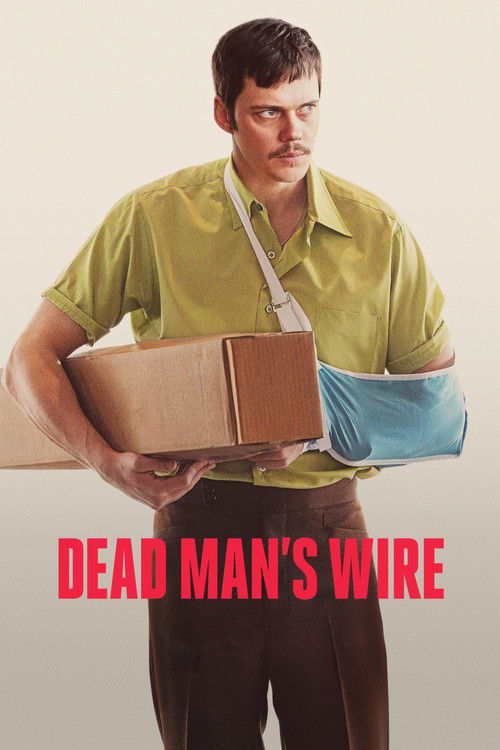
Dead Man's Wire
CrimeDrama+1
-

Giant
DramaHistory
-

Obex
FantasyAdventure+1
-

The House on Haunted Grounds
Horror
-

The Confession
Horror
-

Greenland 2: Migration
AdventureThriller+1
-

Marcello Hernández: American Boy
Comedy
-

People We Meet on Vacation
ComedyRomance
-

Lost in Paradise
RomanceTV Movie+1
-

Beneath the Light
HorrorThriller
-

Ikkis
HistoryWar+1
-

Primate
HorrorThriller
-

Unexpected Family
ComedyDrama
-
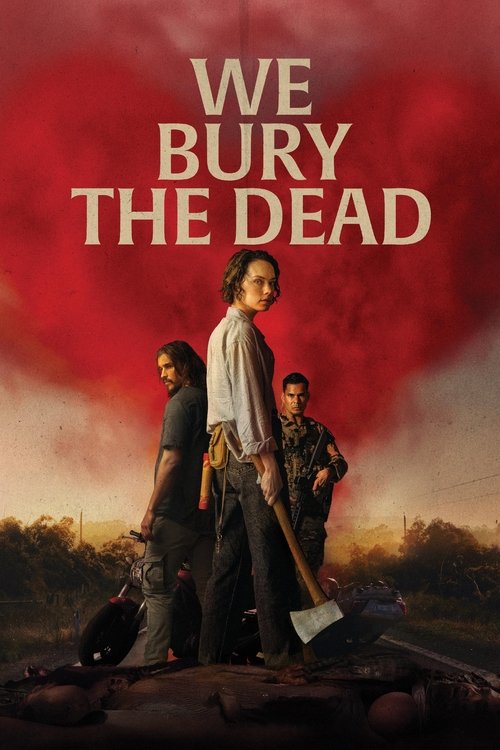
We Bury the Dead
HorrorThriller
-

Wild London
Documentary