
Horror films
CineVerse guide
Choosing horror by intensity and mood
Horror is a promise of disturbance, but it does not say where that disturbance comes from. One film builds dread from an empty corridor, another from bodily detail, another from grief, folklore or social pressure. Putting them in a single row leaves the most useful questions unanswered: what kind of tension is created, how sustained is it, and which content concerns matter to the people in the room?
This guide treats horror as a set of viewing experiences rather than a ranking. It offers a route through atmosphere, threat, violence, sound and cultural context; shows how to use BBFC content advice without reducing a film to its certificate; and explains how to choose for a solo evening or shared household. It avoids plot summaries and makes no current-availability promise.
Who this is for
This guide is for adults choosing horror for themselves and households trying to set reasonable boundaries before a shared screening. It helps distinguish kinds of intensity without moralising about taste. It is not suitable as the only safeguard for children or vulnerable viewers; use the current BBFC entry and title-specific accessibility information.
Name the source of fear
Atmospheric horror makes space and uncertainty do the work. Folk horror often places belief, landscape and community under pressure. Psychological horror turns perception and identity into unstable ground. Creature and body horror put transformation in the foreground, while supernatural stories ask whether ordinary rules still apply. These labels overlap, but each points to a different source of tension and therefore a different reason to choose.
Start with what you want to feel. If anticipation is the attraction, look for work described through place, sound and gradual revelation. If ideas about the body or technology interest you, expect more direct imagery. If your concern is loss or family conflict, a supernatural premise may carry emotional weight beyond its shocks. Choosing the pressure is more reliable than choosing the broad genre.
Separate intensity from explicitness
A film can be visually restrained and emotionally severe. Sustained menace, helplessness or a threatening soundscape may affect a viewer more deeply than a short burst of graphic detail. Conversely, stylised effects can create distance even when the imagery is explicit. Ask both questions: what is shown, and for how long does the film keep the audience under pressure?
The BBFC’s release-specific content advice helps with the first question by identifying relevant issues. It cannot predict personal response or describe every tonal choice. Use it as a factual floor, then add what you know about the group. Somebody comfortable with fantasy violence may still dislike claustrophobia, cruelty to animals or threats involving children.
Use sound as a selection clue
Horror often reaches the audience through sound before image. Low-frequency pressure, abrupt changes in volume, off-screen movement and withheld music can make a restrained frame intense. For late-night viewing with headphones, that design may be the point. In a social setting where people talk, a horror comedy or visually legible creature feature may survive interruption better.
Sound sensitivity is also an accessibility question. A viewer who relies on subtitles should check that the specific release carries them; a viewer using audio description needs title-level confirmation rather than a platform-wide assumption. The official service listing is the final check because tracks travel with particular editions.
Respect historical and cultural distance
Older horror can feel gentle in one respect and uncomfortable in another. Effects may be less explicit, while attitudes, stereotypes or treatment of vulnerable characters may be harder to overlook. Historical distance is not a reason to excuse those features, nor a reason to assume every older work is safe family material. It is a reason to read context and content advice carefully.
British horror traditions also change across studio cycles, television forms, independent production and contemporary work. A page of current catalogue cards may place them together, but they do not address the same fears or audiences. Productive viewing comes from contrast: compare how two periods use place, class or institutions rather than asking which entry is universally best.
Plan a route instead of a marathon
Choose one anchor and one contrast. The anchor should match the exact mood you want; the contrast should change one variable, such as moving from supernatural threat to social unease or from explicit effects to atmosphere. This creates a small programme with a reason behind it. It also makes stopping after one film a complete choice rather than a failed binge.
If watching with others, agree the boundary before pressing play. Classification, content advice and a spoiler-light premise are enough to decide whether the group consents to the material. Nobody should have to defend leaving an experience that crosses a stated limit. Horror works because the audience enters uncertainty voluntarily; the conditions of that choice matter.
Read the catalogue critically
Catalogue labels are starting points, not editorial judgments. A title may sit under horror because of one database tag even if its dominant experience is comedy, crime or drama. Use the cards to discover, then apply the questions above. The editorial purpose of this page is to improve the choice, not to repeat fields already visible below.
Avoid popularity as a substitute for fit. A widely recognised title may be the wrong form of intensity for tonight, while a less prominent work may match a specific interest in landscape, sound or performance. A transparent choice can be explained in one sentence: “we chose this because…” That sentence is the useful outcome of discovery.
A household intensity plan
Create three boundaries before selection: material nobody wants, material acceptable when signposted, and material everyone is comfortable encountering without warning. Use ordinary language rather than genre jargon. “No harm to children; animal threat only if brief; supernatural menace is fine” gives the group a workable brief. Check the exact BBFC content advice against it and treat any uncertainty conservatively.
Decide how the room will handle a boundary crossed in practice. Pausing, lowering the volume or leaving should not require negotiation in the moment. This may sound procedural, but it protects the voluntary uncertainty on which horror depends. A viewer can engage more fully when stopping is genuinely permitted rather than socially costly.
Afterward, discuss craft before endurance. Ask which space, sound or delay created tension and whether the film earned that pressure. “How much could you tolerate?” turns horror into a contest and hides the choices that make it effective. Craft language allows viewers with different limits to compare the same work without treating discomfort as failure.
Editor’s note
Horror selection begins with the kind of pressure a film creates. Classification supports that decision, but mood, duration and personal limits complete it.
Where to watch in the UK
Official routes relevant to this guide are linked below. Catalogues, interfaces and terms change, so check each service directly before choosing a title or paying.
BFI Player
Official specialist-film route; inspect the current listing and access terms directly.
BFI Replay
Official free archive route; use its own search and title notes for the current position.
BBFC
Official UK classification and content-advice context for choosing an appropriate release.
How we chose
We inspected the official BBFC, BFI Player and BFI Replay pages on 16 October 2026. Those sources ground UK classification and official access routes; they do not supply the evaluative prose above.
The distinctions among atmosphere, explicitness, sound and social context are original CineVerse Editorial guidance. We excluded provider summaries, ranked recommendations and any claim about a title’s current service status.
Sources
This page stands on four named sources. Nothing here is copied from another film site: the text is ours, the facts are attributed, and the links go to the official pages.
BFI Player — official service page, inspected without reproducing its copy: https://www.bfi.org.uk/bfi-player
Licence: Site content © British Film Institute; no text, image or catalogue description is reproduced.
BFI Replay — official archive page, inspected without reproducing its copy: https://www.bfi.org.uk/bfi-replay
Licence: Site content © British Film Institute; no text, image or catalogue description is reproduced.
BBFC — What We Do, used for the role of UK classification and content advice: https://www.bbfc.co.uk/what-we-do
Licence: Site content © British Board of Film Classification; no copy is reproduced.
BBFC — Classification Guidelines, used as the official route to current UK standards: https://www.bbfc.co.uk/what-we-do/classification-guidelines
Licence: Site content © British Board of Film Classification; no copy is reproduced.
All editorial text on this page is written by CineVerse Editorial. Film facts (titles, years, directors, country of origin) come from Wikidata and are reproduced without alteration; quotations from the sources below are short and each source is named and linked. Where a film is said to be available somewhere, that is the position we found at the time of checking and it can change. Sources read on 2026-10-16, en-GB.
About this page
Written by CineVerse Editorial. Published and source-checked 16 October 2026. This is original selection guidance, not a catalogue synopsis or a claim that a named title is currently offered.
-

Get Duked!
ComedyAction+1
-

Camp Wedding
ComedyHorror+1
-
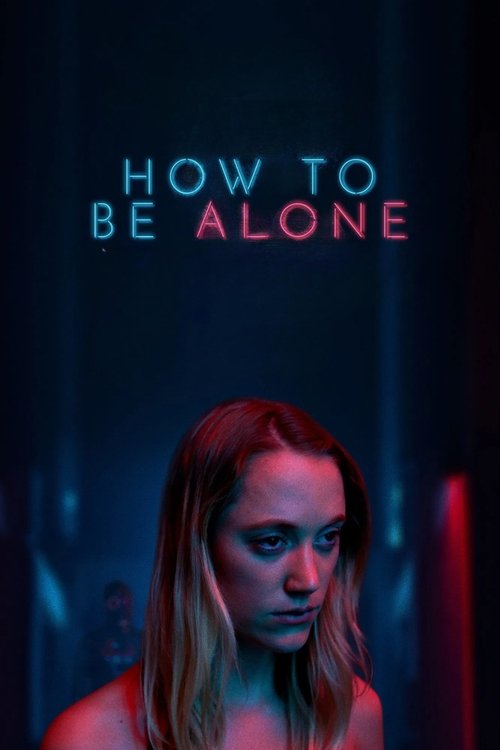
How to Be Alone
Horror
-

Tales from the Lodge
ComedyHorror
-
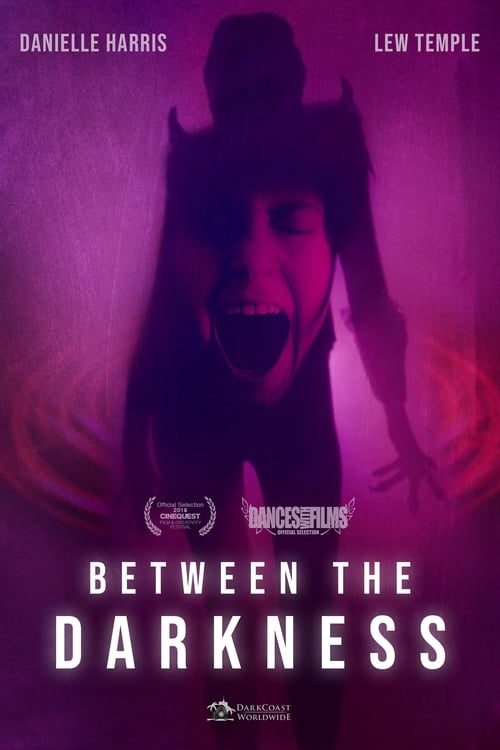
Between the Darkness
HorrorThriller
-
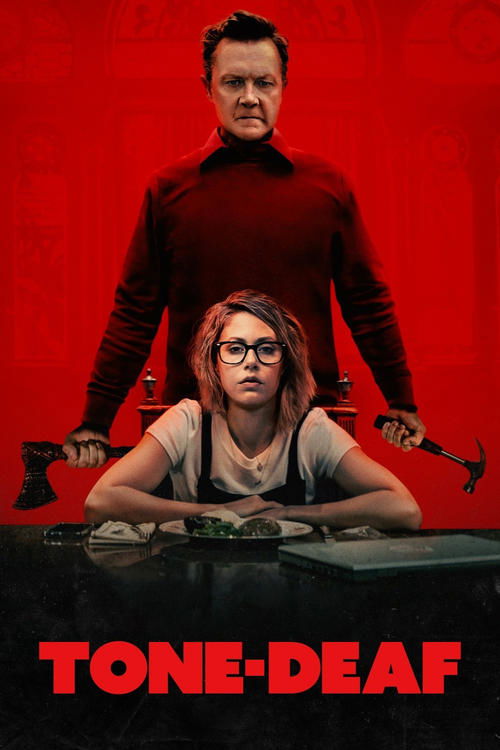
Tone-Deaf
ComedyHorror+1
-
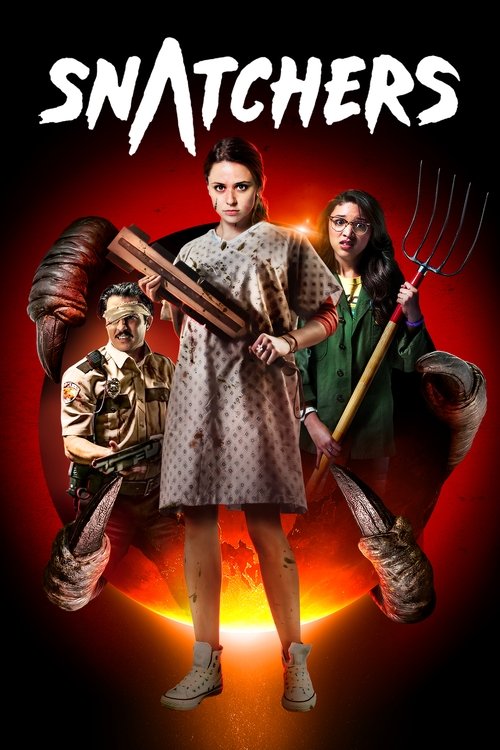
Snatchers
Science FictionHorror+1
-
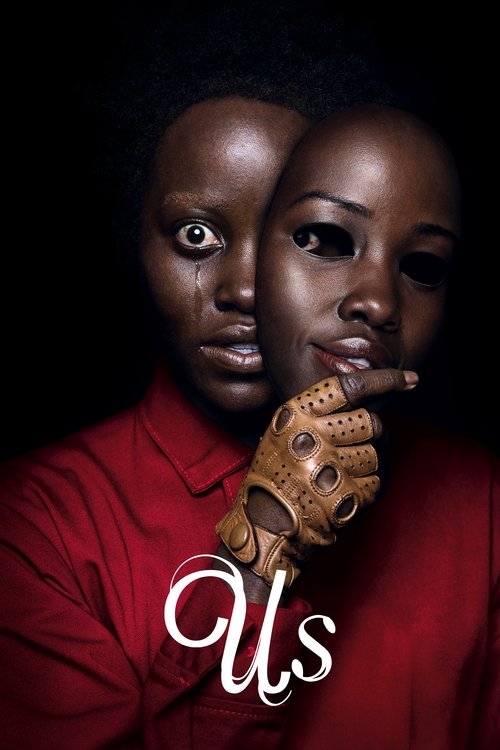
Us
HorrorMystery
-
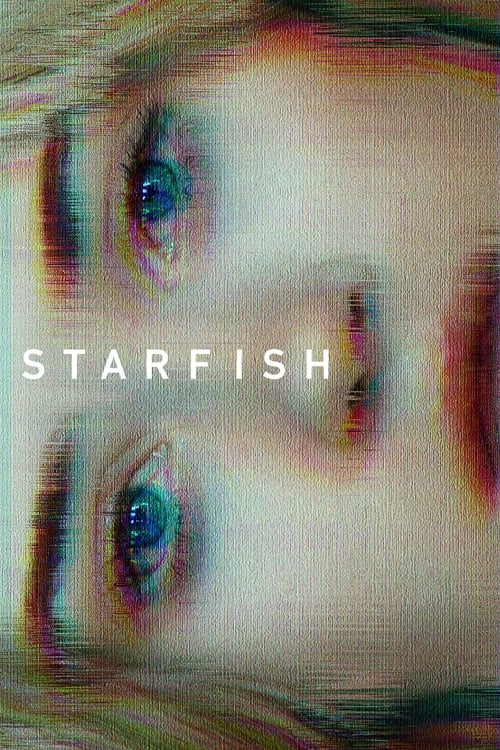
Starfish
DramaHorror+1
-

Queen of Spades: Through the Looking Glass
HorrorThriller
-
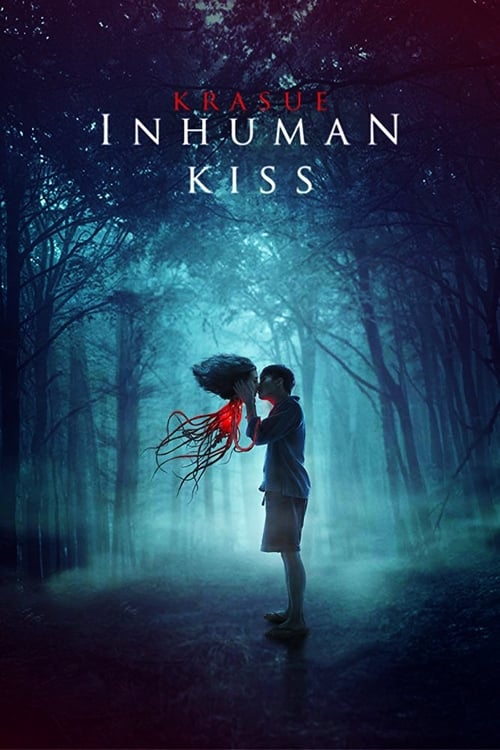
Inhuman Kiss
DramaHorror+1
-

Fear Filter
Horror
-
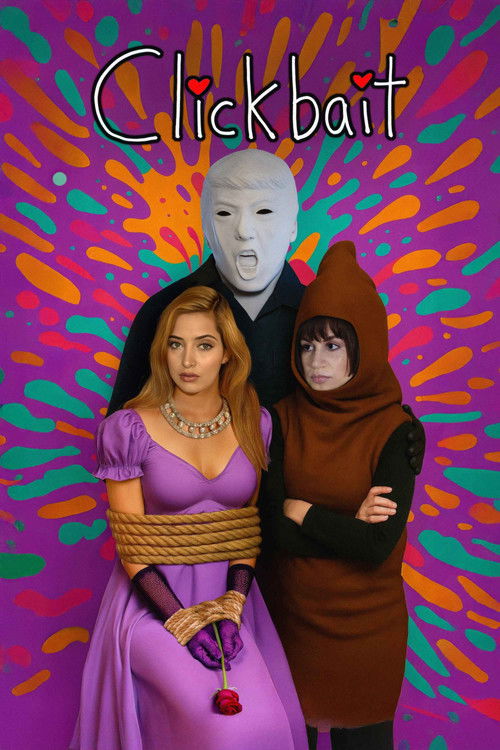
Clickbait
ComedyHorror+1
-

Red 11
ThrillerScience Fiction+2
-

Alien: Alone
Science FictionHorror
-

Alien: Containment
DramaHorror+1
-

Alien: Harvest
Science FictionHorror
-

Alien: Night Shift
Science FictionHorror
-

Book of Monsters
ComedyHorror+1
-

Abduction
HorrorScience Fiction+2
-
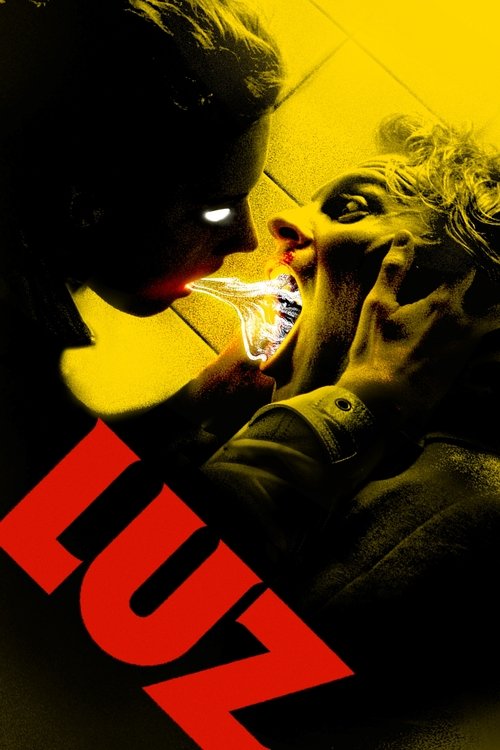
Luz
HorrorMystery
-

Body at Brighton Rock
HorrorThriller
-
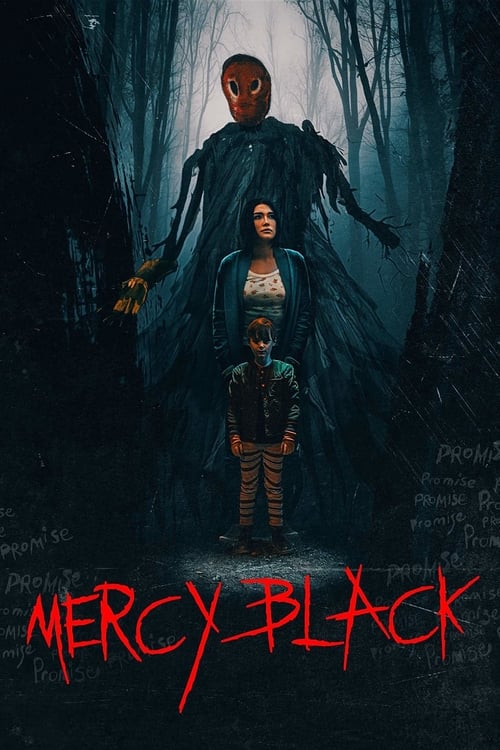
Mercy Black
HorrorMystery
-

Incident at Montauk
HorrorScience Fiction+1